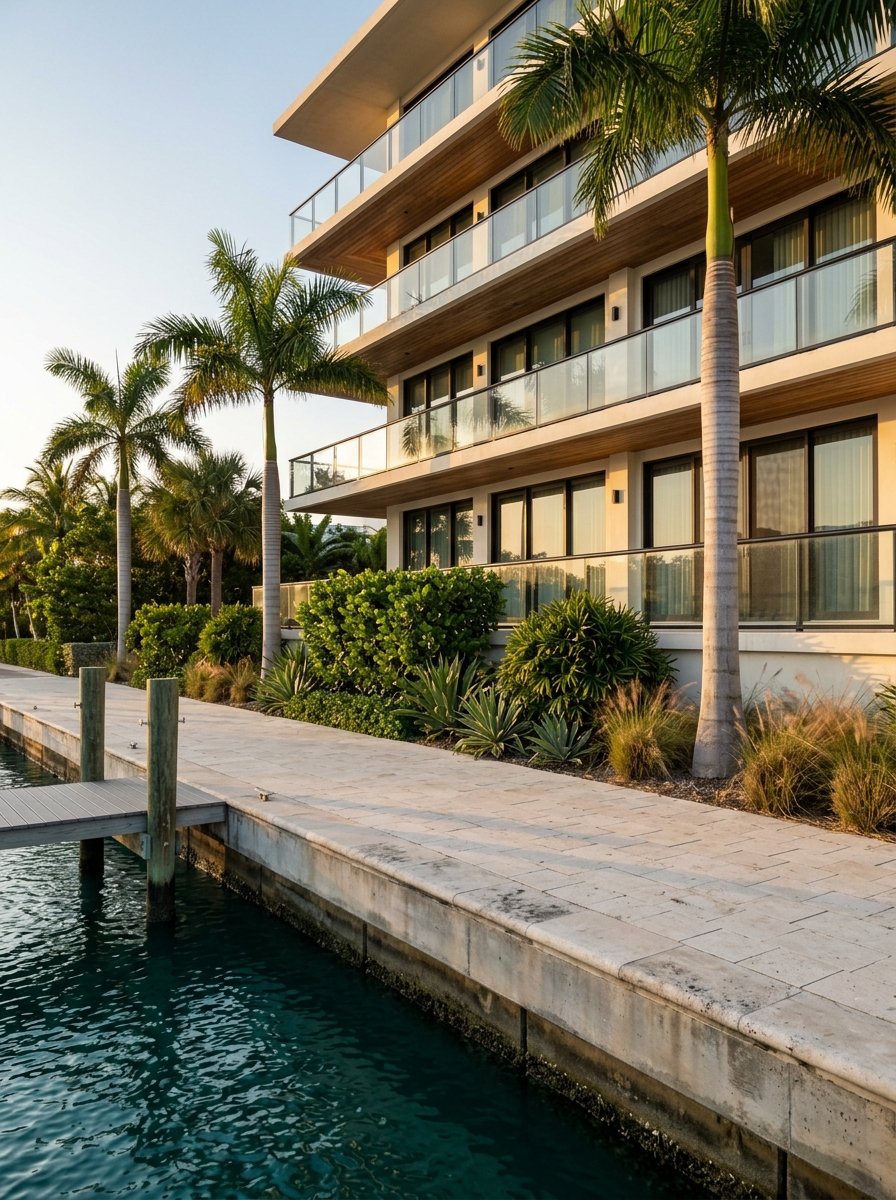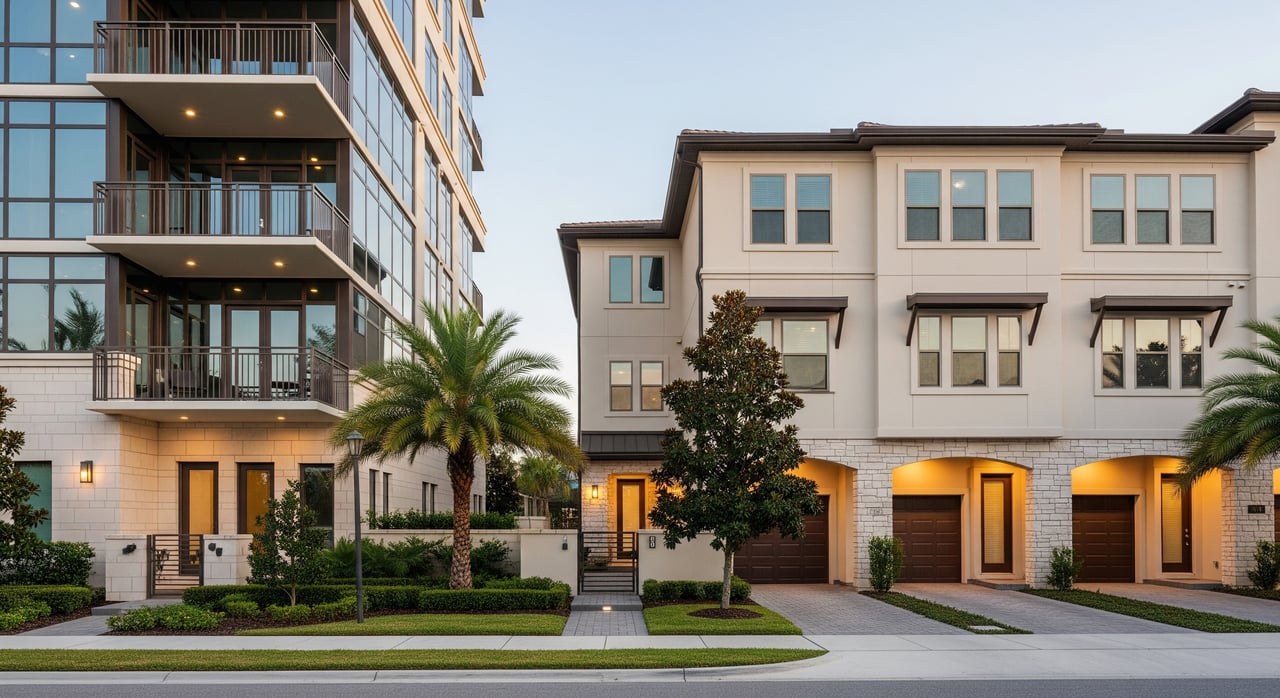
Trying to decide between a condo and a townhome in Orlando? You are not alone. Many buyers want low-maintenance living and a great location, but the details can feel confusing. In this guide, you will learn how each option works in Florida, what to expect with fees and insurance, how financing differs, and where each lifestyle tends to shine in Orlando. You will also get a simple checklist to compare properties side by side. Let’s dive in.
Condo vs. townhome in Florida
What you own
- Condos: You own the interior of your unit and share ownership of common elements like the roof, hallways, and amenities. Condos are governed by a condo association under Florida Statutes, Chapter 718.
- Townhomes: You may own the land and structure fee simple, or the community could be set up as a condo regime. Fee-simple townhomes are typically governed by an HOA under Florida Statutes, Chapter 720. Always confirm the legal form in the community documents.
Who manages what
- Condos: Associations commonly handle exterior maintenance, common areas, and building insurance for the structure under a master policy.
- Townhomes: Responsibilities vary. Some HOAs cover roofs and exterior paint, while others expect owners to handle those items. Review the recorded covenants and budget to be sure.
Day-to-day maintenance
If your top priority is minimal upkeep, a condo often delivers the lowest hands-on maintenance. The association typically manages landscaping, exterior, and building systems. Townhomes can still be low maintenance, but responsibilities are more mixed. In fee-simple setups, you may be responsible for the roof, exterior, and small yard. In other townhome communities, the HOA covers some exterior items. Read the association documents carefully so you know what is included.
HOA and association fees
Condo fees can be higher than townhome fees because they often cover more, including the building shell and amenities like a pool, gym, or elevators. That said, townhomes with robust amenities can have comparable dues. The key is not the number itself but what it pays for.
When you compare fees, check:
- Exact monthly amount and any recent increases
- What is included: structural coverage, reserves, cable/internet, pest control
- Reserve fund balance and reserve contribution history
- Special assessment history and any pending projects
- Insurance details and how wind or flood deductibles are handled
For general guidance on association fees and what to review in disclosures, you can consult consumer resources from the Consumer Financial Protection Bureau.
Insurance realities in Florida
Insurance is a major difference between condos and fee-simple townhomes.
- Condos: You typically carry an HO-6 policy that covers the interior, personal property, liability, and loss of use. The association’s master policy insures the building structure and common elements. Confirm what the master policy covers and the deductible amounts.
- Townhomes: Fee-simple owners usually carry an HO-3 policy that covers the entire structure and interior. The HOA’s policy, if any, may only cover common areas. Premiums can be higher because you insure the structure.
Orlando is inland, but wind and flood exposure still matter. Lenders may require flood insurance depending on the property’s FEMA flood zone. Check the address in the FEMA Flood Map Service Center and review how your association handles hurricane or windstorm deductibles.
Building safety and inspections
After the Surfside condo collapse in 2021, Florida increased requirements for inspections, reserves, and disclosures affecting certain multifamily buildings. If you are buying a condominium, ask whether the building has completed any required structural inspections and whether the association is in compliance with state or local rules. For regulatory updates and guidance, visit the Florida Department of Business & Professional Regulation.
Taxes and homestead in Orange County
Property taxes are assessed locally in Orange County regardless of whether you buy a condo or a townhome. If you plan to make the property your primary residence and you meet eligibility rules, the Florida homestead exemption can apply to either. For local millage rates, exemptions, and how to file, see the Orange County Property Appraiser.
Financing and approvals
Financing can be different between condos and townhomes.
- Condos: Lenders and government programs have project requirements. FHA and VA loans may need condo project approval, and conventional loans follow Fannie Mae and Freddie Mac standards. Some buildings require more documentation or higher down payments. Start conversations with your lender early and ask about project approval for your target building. You can review FHA condo approval guidance at HUD.
- Townhomes: Fee-simple townhomes usually finance like single-family homes and often do not need the same project approval. If the townhome is legally a condominium, condo rules apply.
Resale and rental rules
Resale demand depends on location, financial health of the association, and building conditions. Urban condos often draw buyers who want walkability and amenities. Townhomes often appeal to buyers who want more space and some outdoor area with less maintenance than a detached home.
Many associations regulate leasing. You might see minimum lease terms, waiting periods, or caps on total rentals. In Orlando, short-term rental rules also depend on local zoning and licensing. If you plan to rent, review the association covenants and local rules before you buy.
Where each fits in Orlando
- Condos: You will find more condominium options in activity centers such as Downtown Orlando near Lake Eola, parts of the International Drive corridor, some Lake Nona developments, and near major employment hubs. They suit buyers who value convenience, amenities, and lock-and-leave living.
- Townhomes: You will see many townhome communities in suburban and mixed-use neighborhoods across Orange County, including Baldwin Park, parts of Dr. Phillips, areas near Winter Park, Lake Nona neighborhoods, and newer infill developments. They fit buyers who want more space, multiple levels, and sometimes a patio or small yard.
A simple decision guide
Ask yourself:
- How hands-on do you want to be with maintenance? If you want the lowest maintenance, a condo might fit. If you want more autonomy over the exterior, a townhome may be better.
- Do you prefer amenities in-building or more private space? Condos tend to offer more shared amenities. Townhomes often trade amenities for larger interiors or outdoor areas.
- What insurance structure fits your budget? HO-6 for condos versus HO-3 for fee-simple townhomes can affect premiums and deductibles.
- How do you plan to finance? If you use FHA or VA, verify condo project approval early. Fee-simple townhomes often finance like single-family homes.
- Will you rent the property? Check association leasing rules and local ordinances before you commit.
Due-diligence checklist for Orlando buyers
Use this list to compare any two communities side by side. Request documents early during your inspection period.
Governance and financial health
- Current association budget, latest financial statements, and reserve schedule
- Recent meeting minutes
- Pending litigation disclosures
- Any current or planned special assessments
- Master insurance policy summary and wind or flood deductible details
Rules, parking, and pets
- CC&Rs and rules and regulations
- Rental policies, caps, or waiting periods
- Parking assignments and guest rules
- Pet policies
Building and unit specifics
- Building age and schedule for major capital items like roofs, elevators, HVAC
- For condos: recent structural or engineering inspections and compliance with any state or local requirements
- For townhomes: who maintains roof and exterior, and confirmation of lot lines if fee simple
Insurance and hazards
- FEMA flood zone status for the address via the FEMA Flood Map Service Center
- Whether your lender will require flood insurance
- How hurricane or wind deductibles are handled and any owner assessment exposure
Financing and approvals
- Ask your lender whether the project is acceptable for your loan type
- If using FHA or VA for a condo, confirm project approval through HUD
Resale and rental market
- Recent comparable sales in the same community and area
- Days on market and inventory trends for similar units
- Investor concentration and any rental caps that could affect future resale
Red flags to investigate further
- Low reserves combined with aging building systems
- Pending litigation involving the association
- High investor ratios or unusual restrictions that could limit marketability
- Confusing insurance responsibilities, especially for roofs and exteriors
Next steps
Choosing between a condo and a townhome comes down to how you want to live, what you want to manage, and how you plan to finance and insure the property. If you focus on the legal structure, fee coverage, insurance obligations, building health, and rental rules, you will make a clear, confident decision.
If you would like a curated list of Orlando communities that match your lifestyle and budget, connect with the Arrival Team. We provide buyer representation, relocation support, and coordinated mortgage and transaction services so you can move forward with clarity.
FAQs
Which has lower monthly costs in Orlando, a condo or a townhome?
- There is no universal rule. Condos often have higher fees because they cover more exterior and building costs, but some townhomes with robust amenities can be similar. Compare what the fee includes, not just the number.
How is financing different for condos vs. townhomes?
- Fee-simple townhomes usually finance like single-family homes. Condos can require project approvals for FHA, VA, or conventional loans, so speak with your lender early and confirm the building’s status.
Are Florida condos riskier after Surfside?
- The Surfside tragedy led to increased inspection and reserve requirements for certain buildings. Ask for recent structural reports and confirm association compliance with guidance from the Florida DBPR.
Can I claim homestead on a condo in Orange County?
- Yes. The homestead exemption generally applies to a primary residence whether it is a condo or a townhome, if you meet eligibility rules. See the Orange County Property Appraiser for details.
What insurance do I need for each option?
- Condo owners usually carry an HO-6 policy while the association insures the building structure. Fee-simple townhome owners typically carry an HO-3 policy that includes the structure. Check FEMA flood maps and the association’s wind deductible policy.