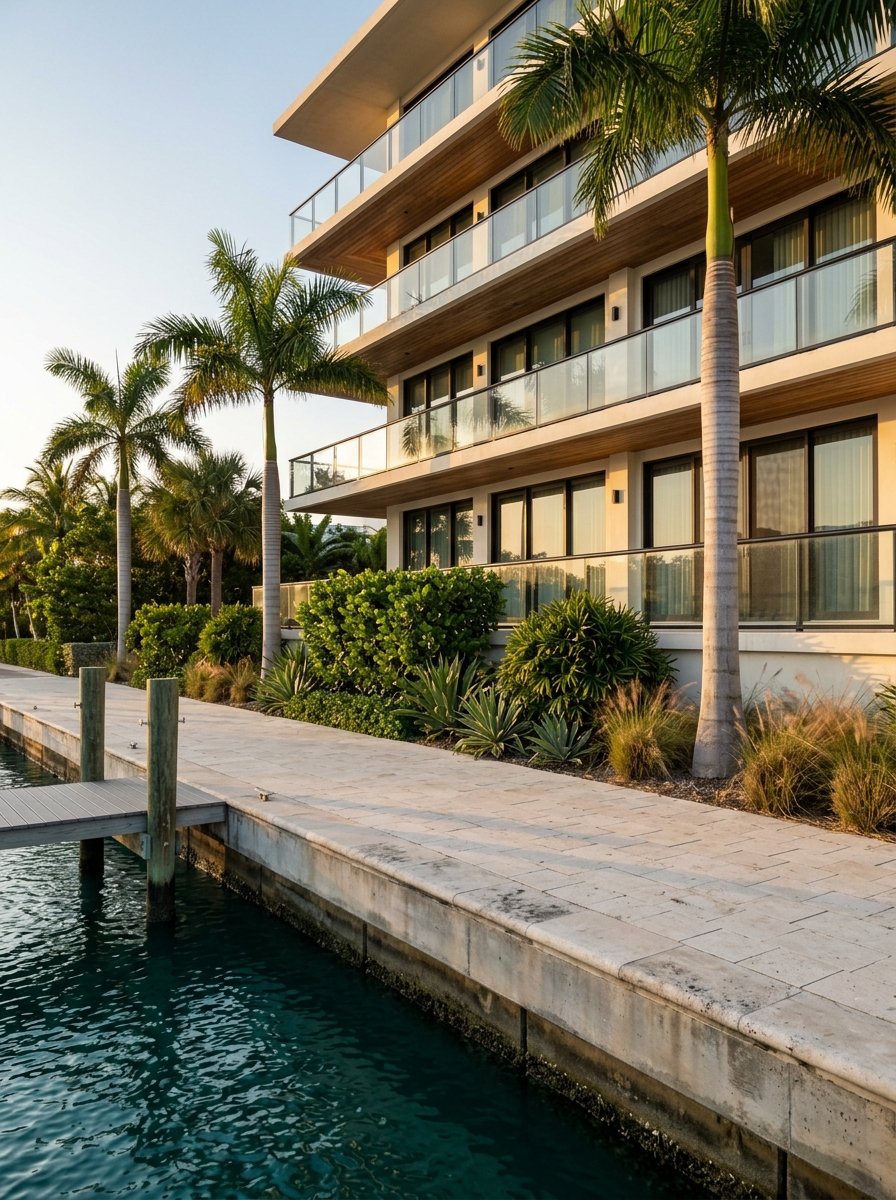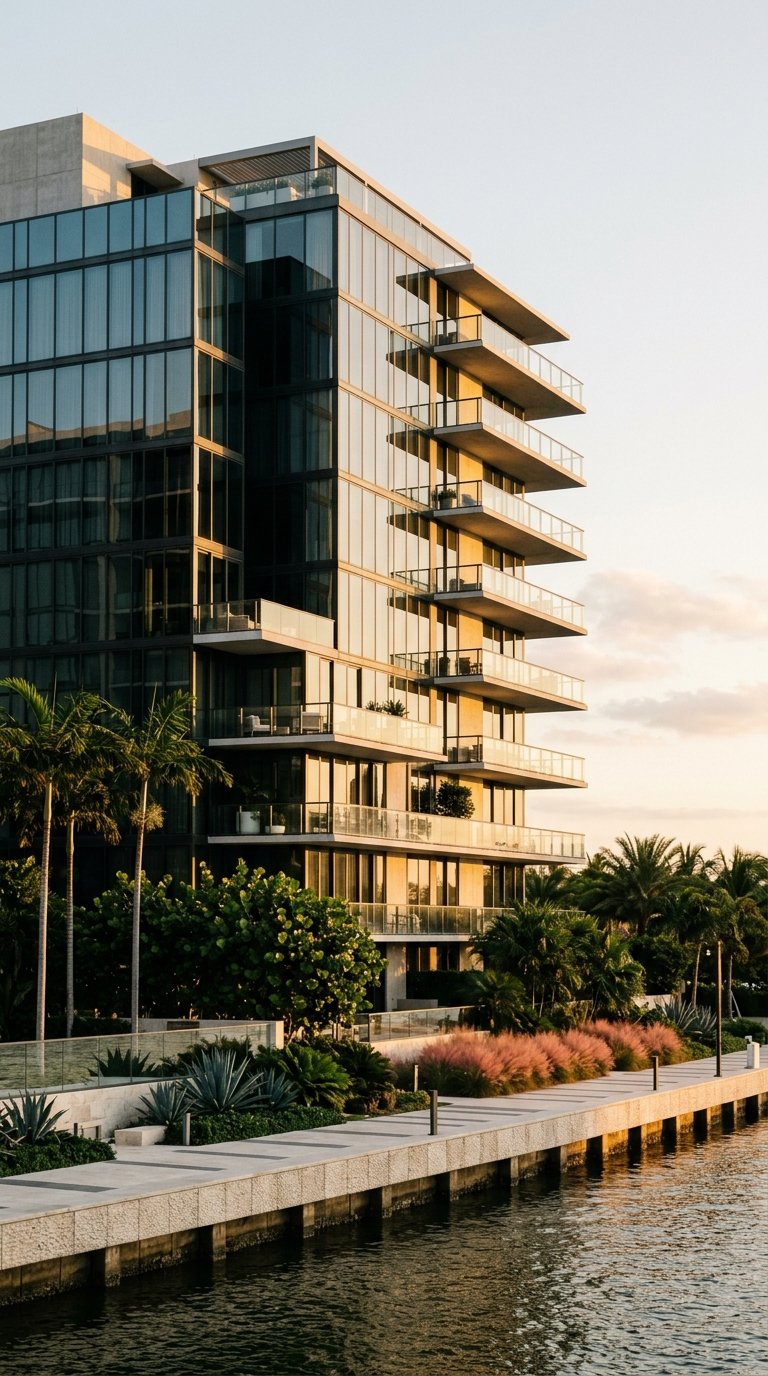
Buying a Sarasota waterfront condo can feel exciting right up until the paperwork starts stacking up. Between condo documents, reserve studies, insurance questions, and flood maps, it is easy to miss details that could affect your costs and peace of mind later. This guide will help you focus on the checks that matter most before you commit, so you can move forward with more confidence. Let’s dive in.
Why due diligence matters
When you buy a waterfront condo in Sarasota, you are not just buying the unit itself. You are also buying into the condominium association’s finances, building condition, rules, insurance setup, and long-term maintenance plan.
That matters even more in a coastal market. Sarasota’s current flood maps became effective on March 27, 2024, and the county notes that the area is exposed to coastal, riverine, and urban flooding from heavy rain, tropical storms, hurricanes, and storm surge. You can review local flood map details through the City of Sarasota’s flood map information page and Sarasota County’s flood protection resources.
Start with the required condo documents
For many Florida condo resales, the seller must provide a broad disclosure package at the seller’s expense. Under Florida Statute 718.503, that package generally includes the declaration, articles, bylaws, rules, annual financial statement, annual budget, FAQ sheet, any applicable milestone inspection summary, the most recent structural integrity reserve study, or a statement that none was completed, and any applicable turnover inspection report.
These documents are your first look at how the building is run and whether the association appears organized and transparent. They can also reveal restrictions or costs that may affect how you use the property.
Florida law also generally gives resale buyers 7 business days to cancel after receiving the required documents. That window is important, so it helps to review the package promptly and carefully.
Review the governance form
Florida also requires a governance form that explains key condo issues in plain language. It covers the board’s role, meeting rights, maintenance responsibilities, access to records, assessments, voting, and enforcement.
This form can help you understand what life in the association may look like in practice. If you are relocating or buying your first condo, it can be one of the easiest ways to get oriented quickly.
Ask for records beyond the basics
Sometimes the standard package is not enough to answer your questions. If you want more detail, such as additional records or clarifications, the association may charge a reasonable fee for a good-faith response, capped under Florida law at $150 plus copying costs and certain attorney’s fees.
That can still be worthwhile if it helps you confirm a major issue before closing. In a waterfront building, extra context on inspections, repairs, drainage, or insurance can be especially valuable.
Review finances with a long view
A condo budget tells you what the association expects to spend now. The financial statements and reserve information help you judge whether that plan is realistic.
Under Florida condominium law, the type of annual financial report depends on association revenue. Smaller associations may provide a simple cash receipts and disbursements report, while larger associations may need compiled, reviewed, or audited financial statements.
Focus on reserves and future costs
Florida budgets must include reserve accounts for certain capital expenditures and deferred maintenance. These can include roof replacement, building painting, pavement resurfacing, and other qualifying items above the statutory threshold.
For associations required to complete a structural integrity reserve study, reserve funding for covered items must align with the most recent study. Owners generally cannot vote to provide no reserves or less than the required reserves for those items.
For you, the practical question is simple: Is the association setting aside enough money for the building’s real needs? If not, future special assessments, loans, or lines of credit may become part of the picture.
Look for signs of financial strain
As you read the financials, watch for references to:
- Delinquent assessments
- Special assessments
- Association loans or lines of credit
- Large repair obligations
- Reserve line items that seem low compared with known building systems
A clean-looking monthly fee does not always mean low ownership cost. Sometimes it means expenses have been deferred.
Understand SIRS and milestone inspections
For many condo buyers, the most important documents in the file are the structural reports. Florida’s structural integrity reserve study, often called a SIRS, and any milestone inspection materials can tell you a great deal about the building’s condition and future expenses.
Under Florida Statute 718.112, a SIRS must be completed at least every 10 years for residential condominium buildings that are three habitable stories or higher. The study must cover major components such as the roof, structure, fireproofing and fire protection systems, plumbing, electrical systems, waterproofing and exterior painting, windows, and exterior doors.
Match the reports to the budget
The report itself matters, but so does the funding response. If the SIRS identifies major needs, the next question is whether the budget and reserve schedule actually reflect them.
You should also ask whether any repairs, follow-up testing, or replacement projects were recommended and whether they have already been completed, scheduled, or deferred. A report without a funding plan can signal future cost pressure.
Check Sarasota flood risk the right way
With waterfront condos, flood due diligence is not a side issue. It is part of the core review.
One of the most common mistakes buyers make is assuming flood zones and evacuation zones are the same thing. They are not. The City of Sarasota specifically explains that these maps are separate, and its flood materials identify high-risk zones that include V, VE, A, AE, AH, AO, and Coastal A on the local map information page.
Review both flood and evacuation zones
Before you move forward, confirm:
- The property’s FEMA flood zone
- The property’s evacuation zone
- Whether the unit or common elements have a known flood or water intrusion history
- What flood insurance is in place, if any
- What flood coverage you may need personally
Sarasota County also states that standard homeowners insurance does not cover flood damage, and that National Flood Insurance Program policies typically have a 30-day waiting period. That guidance is available through the county’s flood protection page.
Review the master insurance policy
Insurance review is one of the most overlooked parts of condo due diligence. Yet in a waterfront building, it can have a major impact on your monthly costs and your risk after closing.
Florida law requires the association to use best efforts to maintain adequate property insurance. In general, the association’s policy covers the structure and common elements, while the unit owner remains responsible for many interior items such as cabinets, appliances, and window treatments.
Ask specific insurance questions
Do not settle for a vague summary. Ask what the master policy covers, what deductible applies, whether flood coverage exists at the building level, and what your own policy would need to cover inside the unit.
That helps you compare the true cost of ownership, not just the purchase price and condo fee. It also helps avoid last-minute surprises during underwriting.
Pay close attention to waterfront systems
Waterfront buildings often have infrastructure that is expensive to maintain and easy to overlook during a casual showing. A polished lobby and attractive unit finishes do not tell you much about the condition of seawalls, drainage, windows, or waterproofing.
Florida’s turnover inspection framework specifically references items such as seawalls and drainage systems. That is a useful reminder that waterfront infrastructure can be a real cost center.
Systems worth checking closely
Ask how the following items are reflected in the reserve study, inspection reports, and recent repair history:
- Elevators
- Pool and spa equipment
- Seawalls
- Drainage systems
- Waterproofing
- Windows and exterior doors
- Roof systems
- Balcony-related repairs, if applicable
If major systems are aging or have known repair needs, that should be visible somewhere in the reports, minutes, bids, permits, or budget planning.
Verify permits and contractor work
Any significant past or planned work deserves a permit check. This is especially true for roofs, windows, doors, balcony repairs, plumbing, shoreline work, and drainage improvements.
Sarasota County advises buyers to make sure the contractor is licensed and insured, and its building permits resources also point users to flood-zone and elevation information for flood-prone structures.
Open permits or unpermitted work can slow a closing or create risk after purchase. If the seller says repairs were completed, the association records, permits, and inspection reports should support that story.
Questions to ask before you buy
A strong due diligence review often comes down to asking the right questions early. Here are some of the most useful ones for Sarasota waterfront condo buyers:
- Has the building completed its milestone inspection and SIRS?
- Did those reports recommend repairs, replacement projects, or additional testing?
- Are reserves aligned with the current funding plan?
- Is the association relying on special assessments, loans, or a line of credit?
- What does the master insurance policy cover, and what is excluded?
- Is there flood coverage for the building, and what coverage would you need personally?
- Are there leasing limits, pet rules, amenity-use rules, or approval procedures that affect your plans?
- Are there open permits or known unpermitted improvements?
- Do board minutes, contracts, bids, and inspection reports match what you have been told about the property?
Because the file often combines legal disclosures, structural reports, financial review, and insurance questions, many buyers coordinate with a condo-experienced agent, a Florida real estate attorney, an insurance broker, and, when needed, a licensed engineer or inspector.
A smarter way to approach Sarasota condo due diligence
The best waterfront condo purchases usually feel calm, not rushed. When you review the documents, flood exposure, structural reports, and insurance details together, you get a much clearer picture of the opportunity and the risk.
That kind of careful review can help you avoid expensive surprises and buy with confidence. If you want a trusted guide as you compare Sarasota waterfront condos, connect with Arrival Team for personalized support and a polished, hands-on buying experience.
FAQs
What documents should Sarasota waterfront condo buyers request first?
- Florida resale buyers generally should review the declaration, articles, bylaws, rules, annual financial statement, annual budget, FAQ sheet, any applicable milestone inspection summary, the latest structural integrity reserve study or statement that none was completed, and any applicable turnover inspection report.
What is the cancellation period for Florida condo resale documents?
- Under Florida law, condo resale buyers generally have 7 business days to cancel after receiving the required documents.
What should Sarasota condo buyers look for in reserve studies?
- You should look at which building components are covered, whether repairs or replacements are recommended, and whether the association’s current reserve funding actually matches the study.
Why do Sarasota waterfront condo buyers need to check both flood zones and evacuation zones?
- Flood zones and evacuation zones are different maps with different purposes, so checking both gives you a more complete view of property risk, insurance needs, and storm planning.
Does homeowners insurance cover flood damage for Sarasota condos?
- No. Sarasota County states that homeowners insurance does not cover flood damage, so buyers should review flood coverage separately and plan ahead for any waiting period.
What building systems matter most in Sarasota waterfront condo due diligence?
- Buyers should pay close attention to seawalls, drainage systems, waterproofing, windows, exterior doors, elevators, roof systems, and pool or spa equipment because these can be significant maintenance and reserve-cost drivers in waterfront buildings.