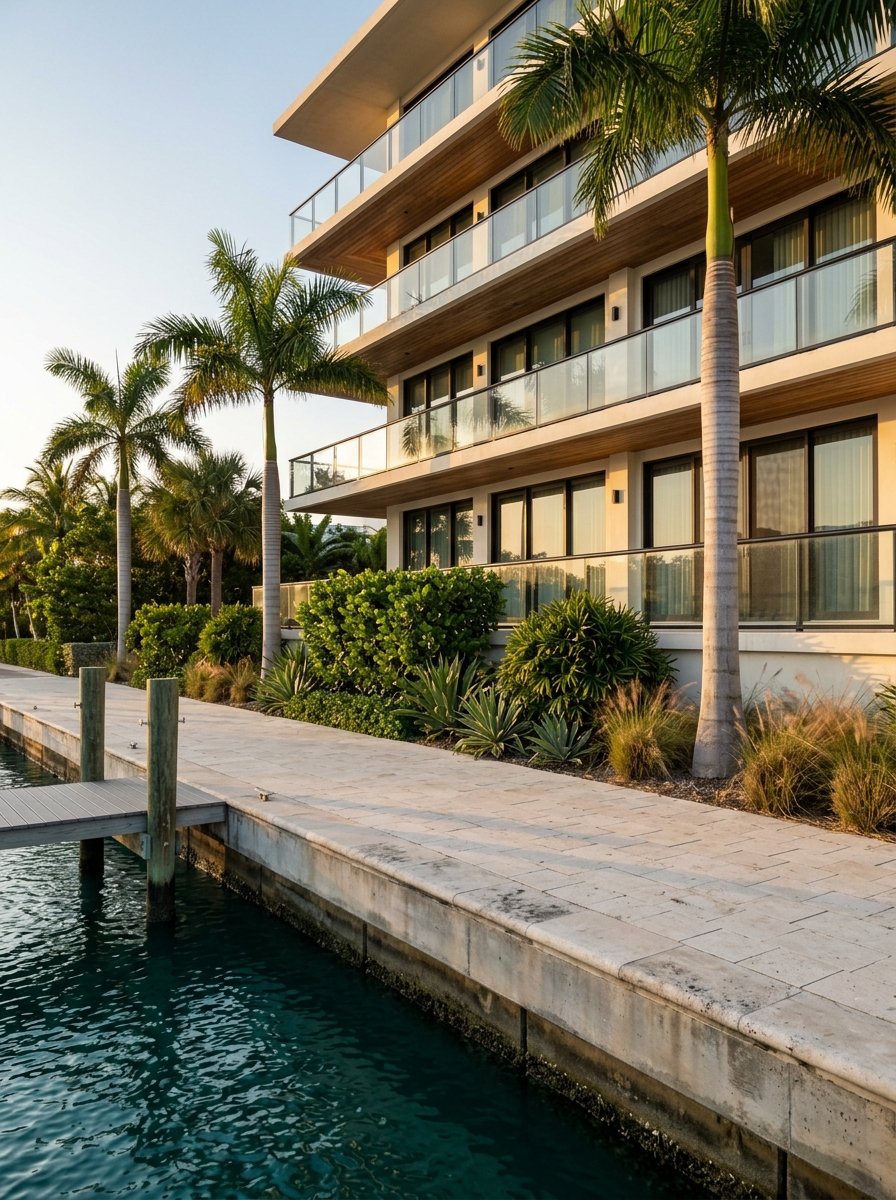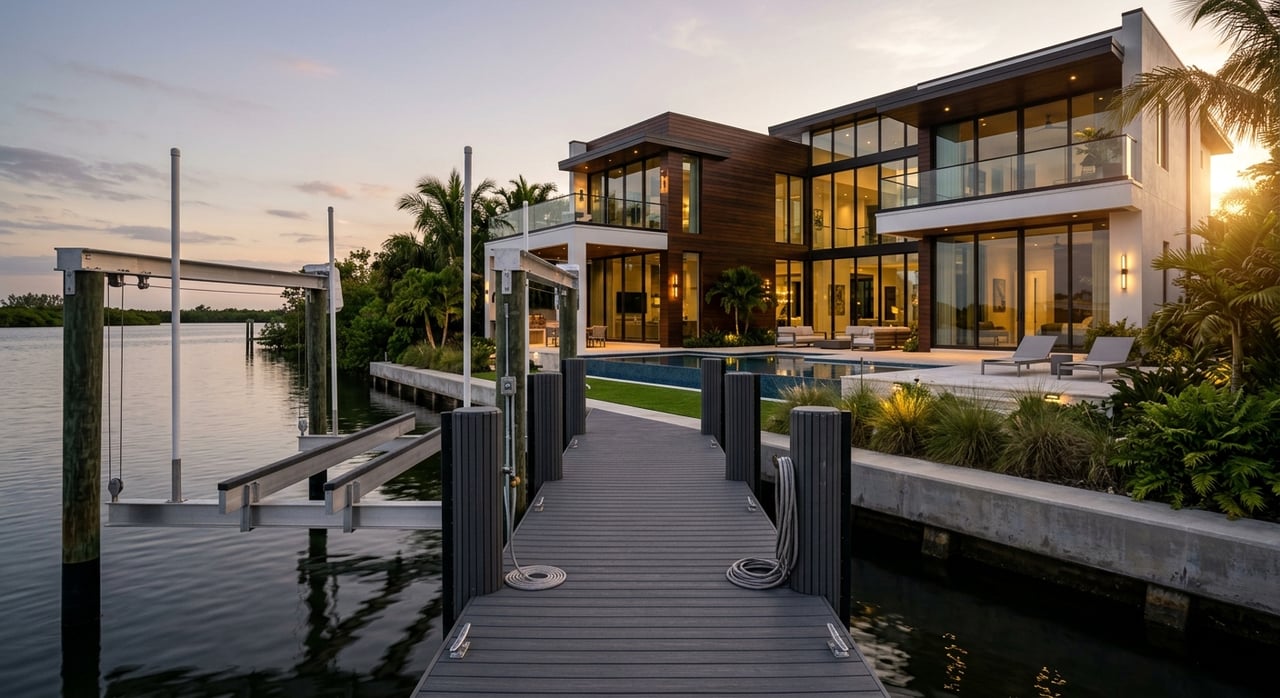
If you want your Tampa waterfront home to stand out, it needs to do more than look clean. Buyers are paying close attention to how a property lives on the water, how well it has been maintained in Florida’s climate, and how clearly it presents its lifestyle online. With Hillsborough County’s January 2026 single-family market showing a median sale price of $419,000, a median time to sale of 92 days, and 3.6 months of inventory, thoughtful preparation can help your home compete more effectively, especially in the premium segment. Let’s dive in.
Why waterfront prep matters
A Tampa waterfront home is rarely judged by square footage alone. Buyers also notice water access, outdoor usability, dock condition, and whether the home feels ready for a coastal lifestyle.
That matters in a market where presentation still plays a major role. According to the Hillsborough County single-family market report for January 2026, the county also had 162 new listings priced at $1,000,000+ and 549 active listings at that price point. Even though that data is countywide and not waterfront-specific, it is a useful reminder that higher-end homes need a clear strategy to stand out.
Start with the waterfront exterior
For a waterfront property, curb appeal extends all the way to the waterline. Your front approach matters, but so do the patio, pool area, dock, seawall, and any space where a buyer can picture relaxing or entertaining.
Florida’s climate can work against you here. UF/IFAS guidance on protecting homes from damage notes that humidity can contribute to mildew, pests, rust, and corrosion, and recommends keeping the home clean and dry, trimming landscaping away from exterior walls, and cleaning roofs and gutters.
Before listing, focus on visible improvements that make the property feel cared for and easy to enjoy:
- Remove clutter from patios, porches, docks, and walkways
- Pressure-clean hard surfaces where needed
- Trim landscaping to improve sightlines and reduce an overgrown look
- Store or secure outdoor furniture that looks worn or could become a storm concern
- Clean railings, fixtures, and hardware that show rust or salt-air wear
The goal is simple: help buyers see an inviting outdoor setting, not a maintenance list.
Make the dock and seawall show-ready
If your home has a dock, boat lift, seawall, or shoreline improvements, those features deserve special attention. Buyers often view them as part of the property’s value, so condition and presentation matter.
The City of Tampa’s residential permit resources include waterfront-related permit categories such as seawall extension, and the city’s flood resources point owners to flood maps, FEMA FIRMs, and elevation certificates. For your sale, that means waterfront improvements should be both visually presentable and easy to document.
A few practical steps can help:
- Clean the dock and remove unnecessary items
- Check visible boards, rails, and hardware for wear
- Organize any available paperwork for permitted work
- Be prepared to share records tied to shoreline or dock upgrades
Refresh the interior around the view
Inside the home, your prep strategy should support the water, not compete with it. In many waterfront homes, the main living room, dining area, and primary bedroom are the spaces that frame the view and shape the buyer’s first impression.
The 2025 NAR staging snapshot found that 83% of buyers’ agents said staging makes it easier for a buyer to visualize a property as a future home. The most commonly staged rooms were the living room, primary bedroom, and dining room, which aligns closely with the rooms that often matter most in a waterfront sale.
That is why it helps to:
- Open sightlines from main living areas to the water
- Remove bulky furniture that blocks windows or doors
- Use bright, simple finishes and calm styling
- Keep décor neutral and limited
- Let natural light do more of the work
Declutter and depersonalize thoughtfully
The same NAR staging research identifies decluttering, whole-home cleaning, depersonalizing, minor repairs, and professional photos as common seller-prep recommendations. Those basics matter even more in a premium listing, where buyers tend to notice small distractions quickly.
Try walking through your home as if you were seeing it online for the first time. If a room feels crowded, overly personal, or visually busy, simplify it until the architecture, light, and view become the focus.
Address Tampa’s humidity before showings
In Tampa, a beautiful home can lose momentum fast if buyers notice moisture issues. Mildew smells, stained grout, worn caulk, rust marks, or foggy surfaces can suggest deferred maintenance, even when the fix is minor.
UF/IFAS explains that Florida’s heat and humidity encourage mildew and bacteria, while metal components can rust and corrode. It also recommends thorough cleaning, AC maintenance, and humidity control.
Before photography and showings, pay close attention to:
- Musty odors
- Dirty air vents or neglected AC service
- Mildew in baths, laundry areas, or around windows
- Worn caulk and stained grout
- Water spots on glass, tile, or fixtures
These details may seem small, but together they shape how well-maintained your home feels.
Prepare for flood and storm questions
Waterfront buyers in Tampa usually ask practical questions early. They want to understand not only the view and access, but also the property’s flood context and storm readiness.
The City of Tampa explains that evacuation zones are based on storm surge and are different from flood zones, and it also notes that every property is in a flood zone. The city’s 2025 vulnerability assessment says Tampa will face the combined effects of sea-level rise, extreme rainfall, and storm surge, especially in low-lying coastal areas.
That makes transparency important. Before your home goes live, gather the information buyers are most likely to request:
- Flood zone information
- Evacuation zone information
- Elevation certificate, if available
- Records for dock, seawall, lift, or shoreline work
- Notes on maintenance related to humidity, corrosion, or storm exposure
Being ready with clear documentation can make your listing feel more credible and easier to evaluate.
Invest in strong visual marketing
Most waterfront buyers will meet your home online before they ever see it in person. If the digital presentation falls flat, you may lose interest before a showing is scheduled.
According to NAR’s 2025 home buyers and sellers generational trends report, 51% of buyers found the home they purchased through the internet. Among buyers who used the internet, 83% rated photos as very useful, 41% said the same for virtual tours, and 29% for videos.
That means your listing media should do more than document the home. It should help buyers understand the setting, flow, and waterfront lifestyle.
Show the relationship to the water
For a Tampa waterfront property, standard interior photos are only part of the story. Buyers also want to see how the lot sits on the water, how the outdoor areas connect, and what the dock layout looks like.
NAR recommends using rich visual content, including photos, video, virtual tours, and floor plans, in order to strengthen online listings. In its article on making online listings shine, NAR also notes the value of drone imagery, especially in places like Florida where waterfront property is common.
For many sellers, the strongest marketing package includes:
- Professional photography
- Video walkthroughs
- Virtual tours
- Floor plans
- Aerial or drone imagery where appropriate
Tell a lifestyle story, not just a feature list
A waterfront home is often an emotional purchase. Buyers are not only comparing bedroom counts and finishes. They are imagining morning coffee by the water, sunset views, boating access, and how the outdoor spaces fit their daily routine.
That is why the listing description should feel purposeful. NAR advises narrative copy that helps buyers imagine life in the home, rather than simply reciting features. The best presentation connects the practical details with the experience of living there.
Instead of treating your dock, patio, and water views as side notes, make sure they are central to the way your home is positioned. When the story, visuals, and condition all align, buyers can more easily see the property’s full value.
A smart sale starts before you list
Preparing a Tampa waterfront home for sale is not about over-improving every detail. It is about focusing on the features buyers care about most, reducing visible concerns, and making the home easy to understand both online and in person.
When you combine a clean exterior, polished water-facing spaces, moisture-conscious upkeep, clear documentation, and high-quality marketing, your home is better positioned to attract serious interest. If you are thinking about selling and want a tailored strategy for your property, connect with Arrival Team for a polished, market-smart approach.
FAQs
What should you fix first before selling a Tampa waterfront home?
- Start with visible issues that affect first impressions, including clutter, mildew, rust, worn caulk, stained grout, and neglected outdoor areas such as patios, docks, and walkways.
What documents matter most for a Tampa waterfront home sale?
- Buyers often want flood zone information, evacuation zone information, elevation documents if available, and records for permitted dock, seawall, lift, or shoreline improvements.
How important is staging for a Tampa waterfront listing?
- Staging can be very helpful because NAR reports that many buyers’ agents believe it helps buyers visualize a property as a future home, especially in key spaces like the living room, primary bedroom, and dining room.
Why does online marketing matter for Tampa waterfront homes?
- Many buyers begin their search online, and strong visuals such as professional photos, virtual tours, video, and aerial imagery can better show the home’s layout, setting, and relationship to the water.
What flood information should Tampa waterfront sellers be ready to share?
- You should be ready to discuss the property’s flood zone and evacuation zone, since the City of Tampa notes these are different designations and both may come up during the sale process.