You picture glassy water at sunrise, a quiet paddle before emails, and dinner by the bay with city lights in the background. That image is real in St. Petersburg, and so are the tradeoffs that come with living on the water. In this guide, you’ll see what daily life feels like across different waterfronts, plus the practical checks you should make before you buy. Let’s dive in.
Waterfront options in St. Petersburg
Downtown bayfront on Tampa Bay
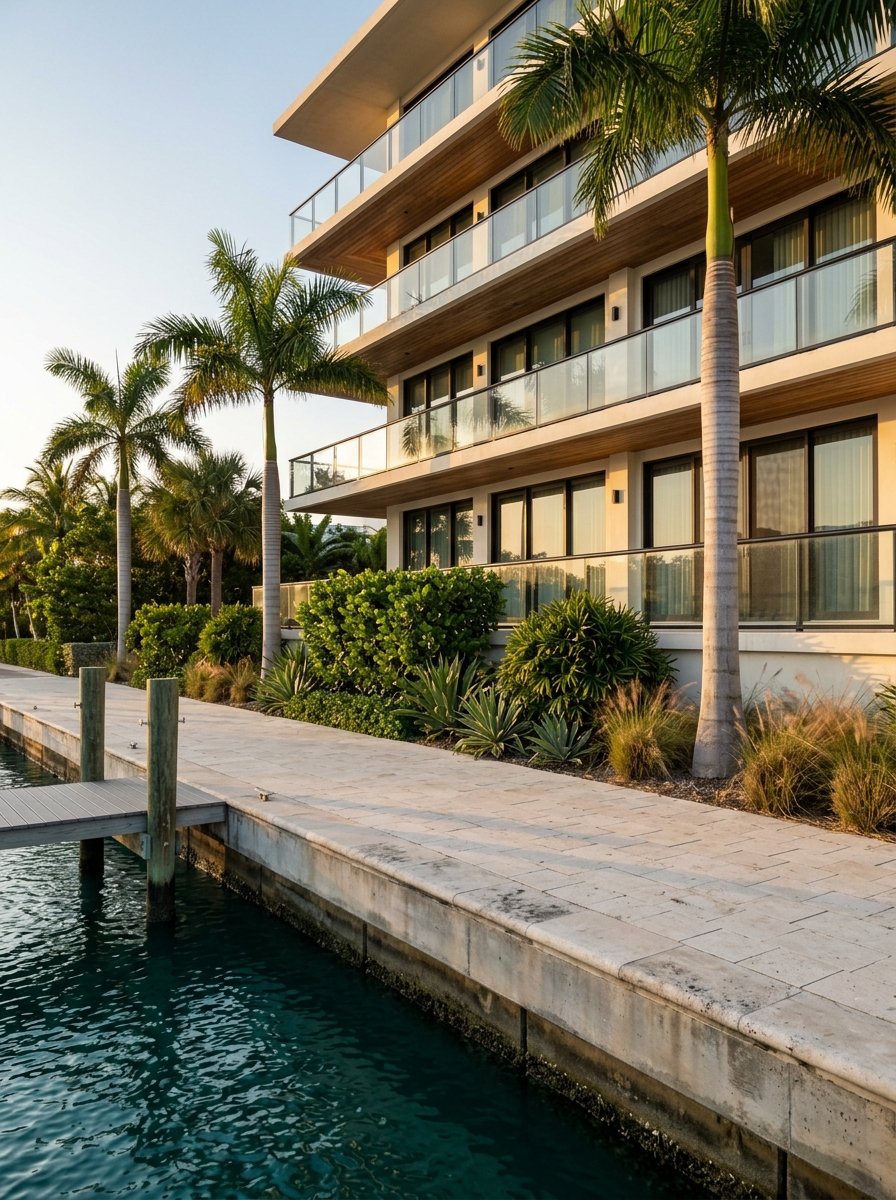
If you want a walkable, urban waterfront, downtown along Beach Drive and Vinoy Park delivers it. The public realm is a major draw, with the Pier acting as a daily hub for fitness, dining, and events. Explore what life looks like at the heart of it by browsing the programming at the St. Pete Pier.
Bays, channels, and canals
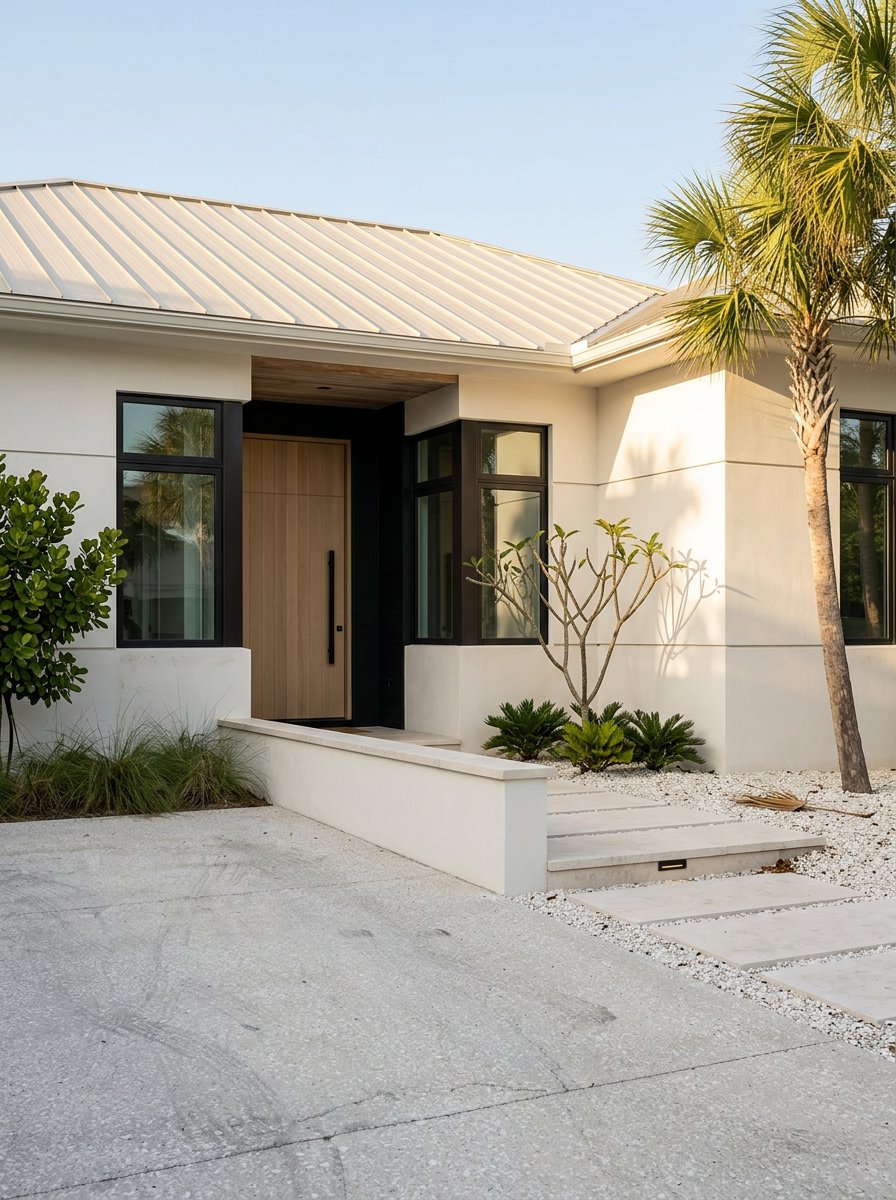
In neighborhoods like Coffee Pot Bayou, Riviera Bay, and the canal systems of the northeast and south ends, you’ll find quieter water and many single‑family homes with docks or lifts. Daily life here often centers on your backyard: coffee on the seawall, a quick fishing session, and a short cruise on weekends. These areas provide near‑direct access to Tampa Bay without the intensity of downtown streets.
Barrier‑island gulf beaches nearby
For wide‑open Gulf sunsets, you’ll look to barrier islands such as Pass‑a‑Grille and St. Pete Beach. Many of these are separate cities or towns, which can change permitting, taxes, and services compared with the City of St. Petersburg. If you split time between city culture and beach days, you can keep a St. Petersburg address and enjoy easy day trips to the islands.
A day on the water: real routines
Sunrises, sunsets, and views
On the bayfront, sunrises over Tampa Bay are a daily ritual. Vinoy Park and the adjoining waterfront parks were designed as gathering spaces that make those early hours special, from quiet walks to morning runs. See how this green edge frames city life through the Waterfront Parks Foundation’s Vinoy Park overview.
Wildlife around your dock
Dolphins are common in the bay and canals, and seasonal birdlife visits mangroves and preserves nearby. Clarity, seagrass health, and water temperatures are active local topics that shape recreation and fishing. Regional reporting notes Florida estuaries warming faster than the global ocean average, a reminder that the environment is part of the lifestyle you are buying into. You can read that context in Axios’ coverage of Tampa Bay estuaries.
Everyday recreation
Weekday jogs along the waterfront, evening strolls on the Pier, and weekend markets or festivals are part of the rhythm for downtown residents. In canal neighborhoods, quick paddles before dinner are common. Outfitters make it easy to try new routes and mangrove tunnels, and many residents keep a kayak or paddleboard at home. To sample local tours and rentals, browse Topwater Kayak’s offerings.
Food and culture in reach
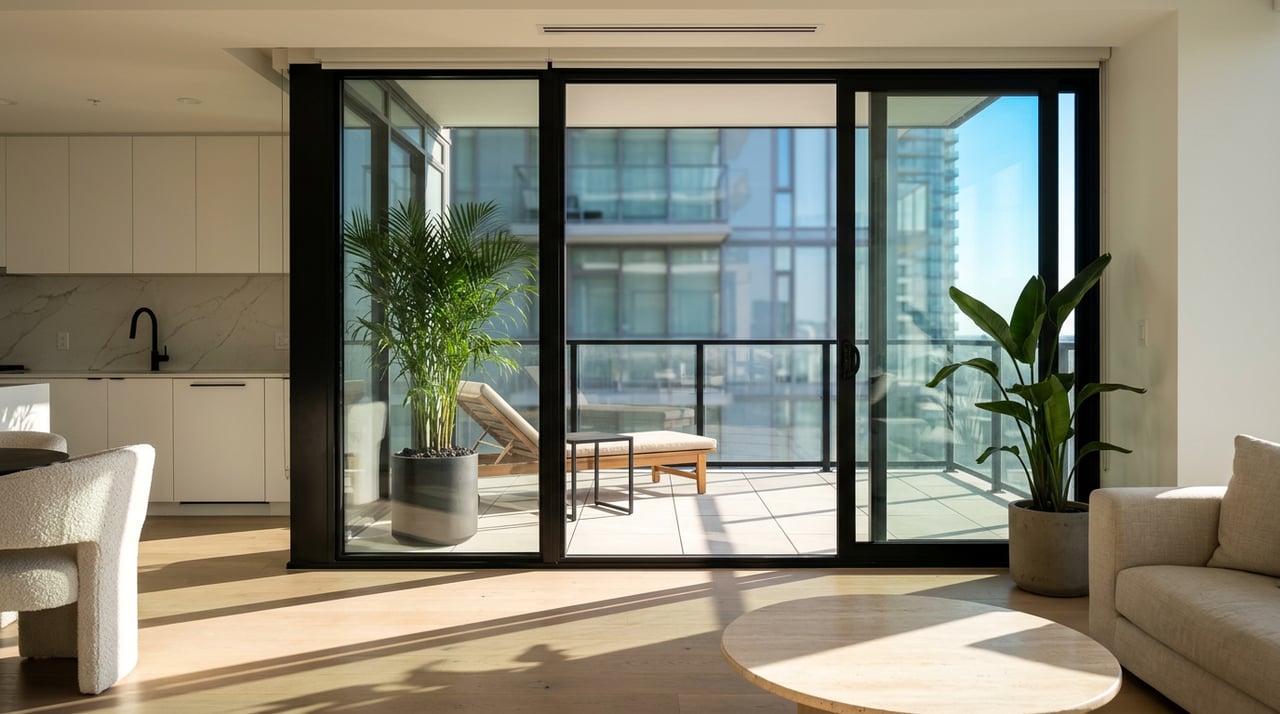
If you live near Beach Drive, you can walk to museums, coffee shops, and waterfront restaurants for a spontaneous night out. Downtown high‑rise living pairs city amenities with water views, while single‑family homes offer privacy and a dock‑first routine. You get to choose which lifestyle fits your day‑to‑day.
Boating, marinas, and access
Downtown marinas are evolving
The city’s large municipal marina is planning a major modernization that could affect slip availability, rules, and timelines. If you plan to keep a boat downtown, watch redevelopment updates and factor possible changes into your plans. See the latest on the city’s approach in this overview of the marina modernization plan.
Yacht clubs and slips
Private marinas and clubs anchor the sailing and social scene and may offer full‑service slips, dining, and events. Membership can be a smart path if you want reliable dockage and a ready‑made community. Get a feel for amenities through the St. Petersburg Yacht Club profile.
Paddlesports and small craft
From city and county launch points to neighborly canal put‑ins, small‑boat outings are simple here. Many buyers prioritize a home that makes impulsive paddles and sunset cruises easy. If you prefer turn‑key recreation, downtown puts you close to rentals and guided experiences.
Owning the shoreline: docks and seawalls
Why seawalls matter
For single‑family waterfront, your seawall and dock are as important as the roof. Condition, materials, permits, and age drive near‑term costs and long‑term peace of mind. The City has begun a holistic review of roughly 600,000 feet of seawall, signaling the scale and importance of shoreline infrastructure. See reporting on the review in the St. Pete Catalyst’s coverage.
Permits and living shorelines
Dock and seawall work usually involves city or county permits, and sometimes state or federal approvals. Buyers should confirm that existing structures are permitted and ask for any inspection records or Elevation Certificates. In some cases, living‑shoreline methods are an alternative or complement to hard seawalls; Pinellas County outlines the approach in its Living Shorelines program.
Costs, risk, and resilience
Price spread snapshot
St. Petersburg’s waterfront comes in many forms, from downtown condos to canal‑front homes. Citywide medians tend to sit well below premium waterfront streets, while historic neighborhoods like Old Northeast often reach the seven‑figure range. The key takeaway is the wide spread between condo living and single‑family waterfront.
Flood and sea‑level realities
Local planning treats tidal flooding and storm surge as growing near‑term concerns. Interagency guidance projects roughly 11 to 20 inches of sea‑level rise by 2050, which can translate into more frequent nuisance flooding in low‑lying areas. You can read a plain‑English summary of those projections in ABC Action News’ report and see Pinellas County’s planning work in its Flood Vulnerability Assessment. If a property sits near the waterline today, expect that to matter more over the next decades.
Insurance you should price early
Flood insurance pricing now reflects property‑specific risk, not just a zone, and can shift with updated data. Florida’s homeowners insurance market has also seen volatility, with coastal properties facing higher premiums or mitigation requirements. Get personalized flood and homeowners quotes early and ask how building features may improve your pricing. For background, review the NAR guide to flood insurance.
Surprise ownership costs
You should budget for seawall or dock repairs, higher‑exposure maintenance, and possible HOA or condo assessments for resilience upgrades. Municipal projects can add assessments or short‑term disruption but also raise long‑term neighborhood resilience. The point is simple: verify shoreline infrastructure and reserve planning before you fall in love with the view.
Condo vs single‑family on the water
Waterfront condo living
- Pros: lower hands‑on maintenance, staff or HOA manages many systems, and amenities like pools, gyms, and sometimes managed docks. Downtown buildings put you steps from museums, dining, and the St. Pete Pier.
- Cons: HOA fees, building rules, limited control over docks or lifts, and the risk of special assessments for building‑wide upgrades.
Single‑family waterfront
- Pros: private outdoor space, your own dock, easier boat ownership, and a routine built around your yard and shoreline.
- Cons: you are responsible for the seawall and dock, permitting, and storm or flood hardening. Shoreline work and resilience upgrades are homeowner costs.
Decision tip: start with your daily routine. If you want walkable city life with services, a condo fits well. If your priority is stepping from the kitchen to your boat, a single‑family canal home may be the better match.
Your waterfront buyer checklist
- Flood risk: ask for the Elevation Certificate and confirm FEMA maps and Base Flood Elevation. See NAR’s flood insurance guidance.
- Seawall and dock: request permits, inspection records, year built, and any repair quotes. Review the City’s seawall review context in the St. Pete Catalyst piece.
- Insurance pre‑check: get homeowners and flood quotes before you make an offer. Use NAR’s overview of policy basics to frame questions.
- HOA/Condo documents: ask for CC&Rs, recent minutes, reserve studies, and notices of planned assessments or resilience projects.
- Local projects: track the municipal marina modernization via St. Pete Rising’s summary and note county shoreline initiatives through the Living Shorelines program.
- On‑site features: look for impact windows, shutters, elevated utilities, a standby generator, and clear evacuation routes to higher ground.
Ready to explore St. Pete’s waterfront?
Whether you imagine early pier walks or afternoons on your own dock, the right property makes that routine effortless. Pair the lifestyle with smart due diligence on seawalls, permits, insurance, and elevation, and you will enjoy the water with confidence. If you want a curated shortlist and guidance through every step, connect with the Arrival Team for local insight and concierge‑level service.
FAQs
What are the main waterfront types in St. Petersburg?
- Downtown bayfront condos along Tampa Bay, canal and bayou single‑family homes with docks, and nearby barrier‑island Gulf beaches that are separate municipalities.
How does flood risk affect daily life on the water?
- Expect occasional tidal flooding in low‑lying areas and plan for storm surge; review elevation, FEMA maps, and county planning like the Flood Vulnerability Assessment.
What should I verify about seawalls and docks before buying?
- Confirm permits, age, materials, and inspection or rebuild records; seawall condition can influence insurance, costs, and immediate repair needs.
Are downtown slips easy to secure right now?
- Slip availability can shift due to the municipal marina’s planned modernization, so monitor updates and consider private marinas or clubs as alternatives.
Condo or single‑family: which fits a boating lifestyle best?
- If regular private boat use is a priority, single‑family with a dedicated dock is often simplest; condos trade control for managed amenities and lower upkeep.
How can I estimate flood and homeowners insurance costs?
- Request property‑specific quotes early and use NAR’s flood insurance guide to frame questions about coverage, mitigation credits, and timelines.