What really makes an Orlando condo stand out when it’s time to buy or sell? In a city known for sunshine, tourism, and steady in-migration, not every amenity carries the same weight. You want to focus on features that enhance daily living, protect your budget, and support strong resale or rental potential. This guide breaks down which amenities add the most value in Orlando, what tradeoffs to expect, and how to evaluate HOA and insurance factors before you commit. Let’s dive in.
What adds value in Orlando condos
Unit-level essentials
In-unit features tend to deliver the most immediate value because they impact daily comfort and resale appeal.
- Updated kitchen and bathrooms. Modern finishes and efficient layouts influence buyer perception and help your condo compete with single-family homes.
- In-unit laundry. Highly sought after for convenience and privacy in urban living.
- Private balcony or patio. Outdoor space is prized in Orlando’s climate and can set your unit apart in marketing.
- Energy-efficient HVAC. Newer or efficient systems reduce operating costs and future expenses.
- Impact-rated windows and doors. Storm-resilient features matter in Florida and can lower insurance exposure while adding peace of mind.
- Smart-home features. Thermostats, locks, and basic security add convenience and potential energy savings.
- Storage. Ample closets or a secure storage locker are rare and valuable in condo living.
- Deeded or covered parking. Especially important in downtown or urban neighborhoods where street parking is limited.
Tip: Condo rules may limit certain upgrades, like window replacements or balcony work. Always review HOA policies before starting projects.
Building amenities that matter
Well-chosen building amenities support lifestyle and marketing, but they also influence HOA dues and future capital needs.
- Secure entry and staffed services. Concierge and 24-7 security raise perceived quality, though they often increase fees.
- Fitness center and studio space. Reduces the need for a gym membership and attracts remote professionals.
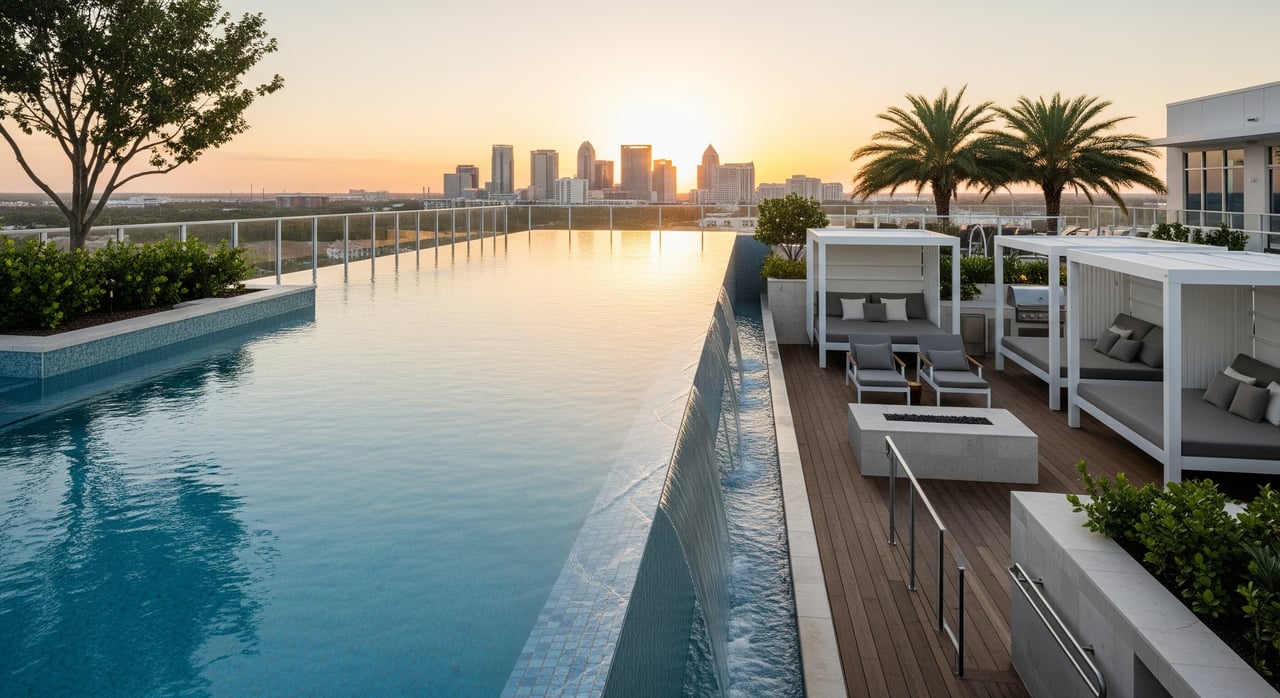
- Pool and pool deck. In Orlando’s warm climate, a clean, well-maintained pool is often expected in mid- to high-end buildings.
- Parking garage with assigned spaces and EV charging. Helpful for daily convenience and a growing premium for EV owners.
- Package lockers and mailroom solutions. Convenience features that also support rentability.
- Rooftop, BBQ, and outdoor kitchens. Lifestyle amenities that photograph well and support higher per-square-foot pricing when well maintained.
- Storage rooms, bike storage, and pet amenities. Useful in denser neighborhoods and for renters with pets or bikes.
- Business center and high-speed internet infrastructure. Key for remote workers and work-from-home buyers.
- Backup generator or resilience systems. Valuable during storms and power outages.
Condition and reserves often matter more than the amenity list itself. A great pool with deferred maintenance can turn into a liability.
Location and community perks
Neighborhood context behaves like an amenity and often drives the biggest value differences.
- Proximity to jobs. Areas near Lake Nona’s medical corridor, downtown Orlando, College Park, and UCF draw steady demand.
- Walkability to dining and culture. Walkable pockets around Dr. Phillips, Winter Park, Mills 50, and Church Street often command higher prices.
- Transit access. LYNX bus lines, SunRail stations, and connection points for Brightline improve convenience and broaden your buyer pool.
- Airport and highways. Proximity to Orlando International Airport and major corridors is a selling point for frequent travelers.
- Parks, lakes, and green space. Nearby recreation enhances quality of life and long-term resale.
- Tourist-adjacent locations. International Drive, the convention area, and theme park corridors can help investor performance if allowed by HOA and local rules.
Orlando factors that change value
Tourism and jobs shape demand
Orlando’s tourism economy and growing medical-tech hubs support a diverse buyer pool, from investors to downsizers and relocating professionals. Amenities that support rental income and professional lifestyles—durable finishes, secure parking, fitness, coworking—can be especially valuable.
Short-term rental rules
Short-term rentals vary by building and municipality. Some condos allow them, many restrict or prohibit them, and licensing or occupancy rules may apply. Investor-friendly amenities only add value if both the HOA and local ordinances permit STR activity. Always verify current rules and minimum lease periods.
Climate and resilience
Orlando is inland but still experiences tropical storms and heavy rain. Some properties sit in FEMA flood zones that may require flood insurance. Impact-rated windows and storm-rated doors, elevated mechanicals, and building generators add safety and can reduce insurance risk. Confirm flood zone status and insurance history before you buy.
Transit and access
Access to SunRail, Brightline connections, and major roads can lift demand for smaller, amenity-rich units. Frequent travelers often value proximity to MCO and straightforward highway access.
Costs, HOA, and insurance
HOA fees and reserves
Amenities increase operating costs, so you need to understand what dues include and whether reserves are healthy.
- Ask for the most recent reserve study and budget. Adequate reserves help prevent special assessments for elevators, roofs, pools, or HVAC stacks.
- Review past and planned capital projects. Recent upgrades can be a selling point, but upcoming work might mean higher fees or assessments.
- Compare dues to amenity value. A well-managed building with strong amenities and reserves often justifies higher dues.
Insurance and liability
Pools, gyms, and other amenities can raise the association’s insurance costs. In Florida, wind coverage and windstorm deductibles are common, and flood policies may be required based on location. Also confirm what the master policy covers versus owner responsibilities. Insurance structure and deductibles can change your total cost of ownership.
Bylaws and policies
Rental caps, minimum lease periods, and short-term rental rules can sharply change investor valuations. Pet policies affect the size of your buyer and renter pool. Architectural control rules may limit upgrades like balcony screens or window treatments. Review governing documents before you list or purchase.
Maintenance lifecycles
Major systems have predictable lifecycles. Elevators, roofs, pool surfaces, HVAC stacks, and facades eventually need replacement. If a building added amenities over time without raising reserves, there may be deferred maintenance risks. Healthy reserves and transparent planning signal a well-run association.
How amenities influence appraisal and resale
Appraisal and comps
Appraisers rely on recent comparable sales. Buildings with high-quality amenities and maintenance can justify higher price per square foot, especially when there are clear comps with similar features. If no comparable properties exist, the appraisal uplift for amenities may be limited.
Who values what
- Young professionals and remote workers. High-speed internet, coworking space, gym access, and proximity to downtown or transit are top priorities.
- Downsizers and empty nesters. Low-maintenance living, secure entry, onsite services, and access to healthcare areas like Lake Nona are attractive.
- Investors. Turnkey condition, predictable HOA rules, parking, and proximity to attractions or the airport can matter—only if rental rules allow it.
- Households seeking space. Extra storage, multiple bedrooms, and usable outdoor areas broaden long-term resale appeal.
Rental income and net yields
Amenities that reduce turnover and vacancy—secure package systems, strong management, convenient onsite services—help maintain higher rents. Always factor HOA dues and amenity maintenance costs into your net return. A costly pool or underused facility can depress yields if not balanced by rent premiums.
Marketing for sellers
Highlight function and risk reduction just as much as lifestyle.
- Deeded or covered parking, in-unit laundry, updated systems, and impact windows show practical value.
- Showcase recent building projects and strong reserves to boost buyer confidence.
- Use high-quality photos of amenity spaces, floorplans that show balcony and storage, and a clear list of included services.
Buyer due-diligence checklist
Ask the HOA or management company these questions before you submit an offer:
- What do the HOA fees include—water, cable, internet, building insurance, trash, security?
- Is there a recent reserve study and what are current reserve balances?
- Have there been special assessments in the last 5 to 10 years, or are any planned?
- What are rental rules, minimum lease periods, and any short-term rental policies?
- Are parking spaces deeded or assigned? Is there guest parking and EV charging?
- What hurricane and flood mitigation features are in place? Is the unit in a FEMA flood zone?
- What capital projects were completed recently and what is upcoming?
- Can you review the master insurance policy, bylaws, and recent board meeting minutes?
Seller preparation checklist
Set your condo apart with documentation and presentation that answer buyer questions up front.
- Compile receipts, permits, and warranties for in-unit upgrades.
- Provide recent HOA documents—budget, reserve study, and minutes that reference amenity maintenance.
- Photograph amenity spaces, parking, storage, and building entries with professional quality.
- Note energy efficiency and resilience upgrades, such as impact windows or smart thermostats.
- Map out neighborhood assets like transit stops, parks, hospitals, airports, and shopping.
Neighborhood cues by lifestyle
- Downtown and urban nodes. Assigned parking, secure entry, EV charging, and coworking spaces are strong differentiators.
- Lake Nona area. Proximity to medical city jobs and healthcare services pairs well with low-maintenance, secure buildings.
- Tourist-adjacent corridors. If allowed, investor-friendly rules, parking, and durable finishes can matter near attractions and the convention center.
- Walkable districts. In Winter Park, Mills 50, and Church Street areas, private outdoor space, storage, and a well-kept pool elevate appeal.
Next steps
Choosing the right amenities is about lifestyle fit, cost control, and risk management. Whether you’re buying for personal use or evaluating an investment, confirm HOA reserves, insurance coverage, and rental policies before you commit. If you’re selling, lead with function and resilience, then showcase lifestyle.
Have questions about a specific building or want a tailored list of Orlando condos that match your priorities? Connect with the Arrival Team for local guidance, curated options, and a smooth path from search to close.
FAQs
Which condo amenities add the most value in Orlando?
- In-unit laundry, updated kitchens and baths, deeded or covered parking, impact-rated windows, a well-maintained pool, fitness space, and secure entry typically drive the most value.
How do HOA fees impact value in Orange County?
- Higher dues can make sense if they cover strong amenities, reserves, and maintenance; buyers should review budgets and reserve studies to avoid surprise assessments.
Are short-term rentals allowed in Orlando condos?
- Rules vary by building and municipality, with many condos restricting STRs; verify HOA bylaws and local ordinances before assuming rental income potential.
Do hurricane-resilient features lower insurance risk?
- Impact windows, storm-rated doors, and backup power can improve storm resilience and may reduce risk exposure, but always review the building’s insurance structure.
What should sellers highlight to maximize appeal?
- Emphasize functional upgrades—parking, laundry, HVAC, impact windows—plus recent building projects, healthy reserves, and high-quality amenity photos.
Is parking really important in downtown Orlando?
- Yes. Deeded or covered parking is highly valued in urban neighborhoods where street parking is limited and can be a key differentiator.
How do appraisers treat amenities in condo valuations?
- Appraisers weigh amenities through comparable sales; well-maintained amenities can support higher pricing when there are recent comps with similar features.