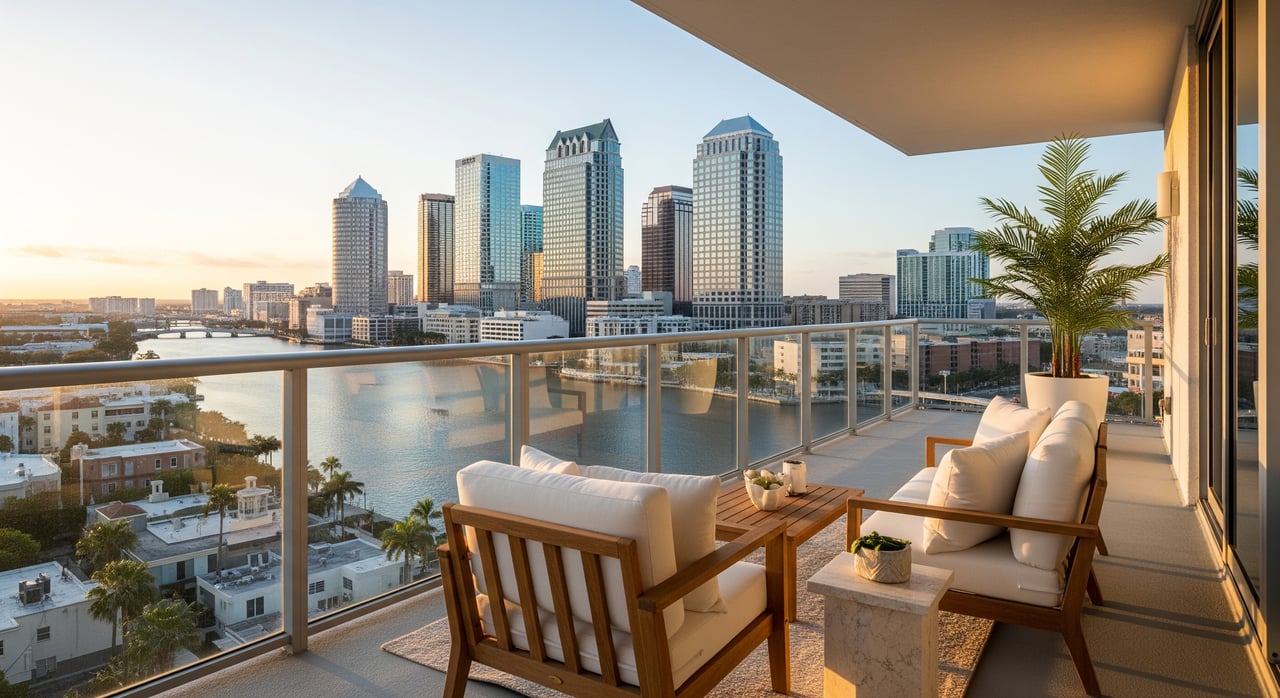
You step out of the elevator, coffee in hand, and the Riverwalk is just a few minutes away. This is the rhythm many people want from Tampa’s downtown condo towers: easy mornings, short walks, and weekends filled with culture and water views. If you’re weighing whether tower living fits your daily life, you want a clear picture of what it feels like day to day.
In this guide, you’ll see how you get around, what amenities you actually use, what HOA fees cover, and how to navigate flood and hurricane questions. You’ll also get a practical checklist for due diligence before you buy. Let’s dive in.
Where downtown condo life happens
Downtown Tampa centers on the waterfront along the Hillsborough River and Tampa Bay, with adjacent districts such as Channelside, Harbour Island, and the Channel District. Nearby high‑rise options extend into South Tampa corridors like Hyde Park and SoHo. Each pocket offers a different street feel and mix of buildings.
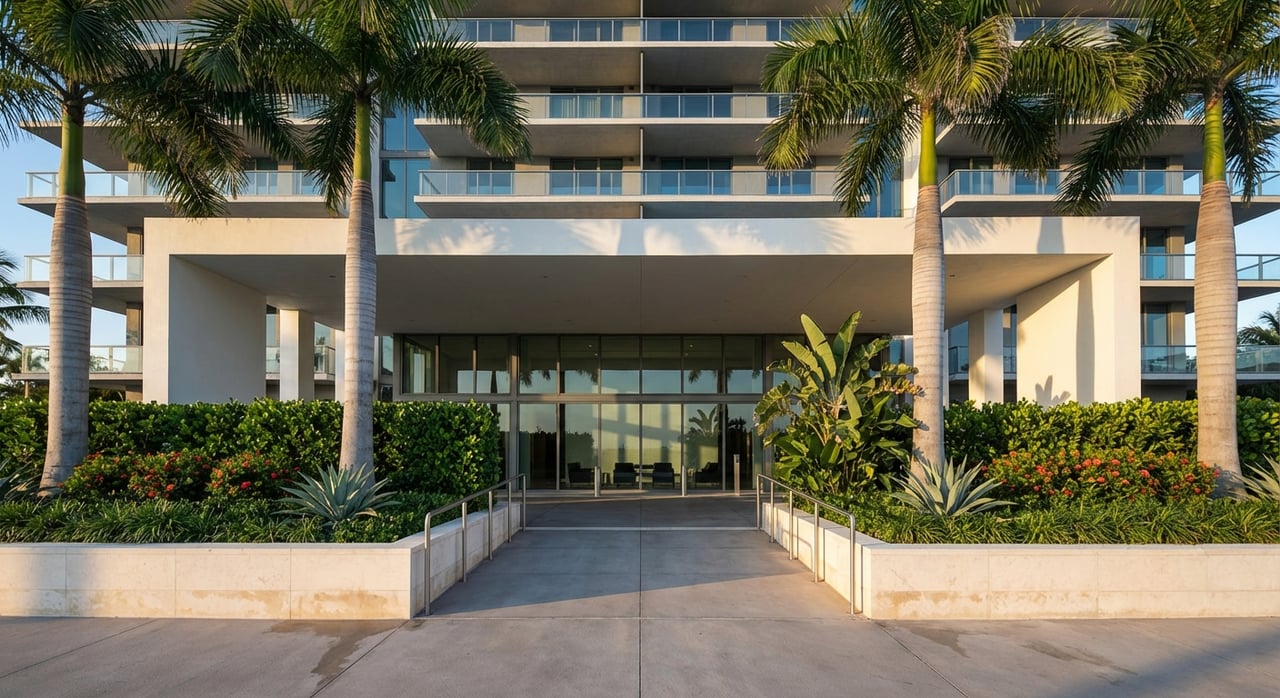
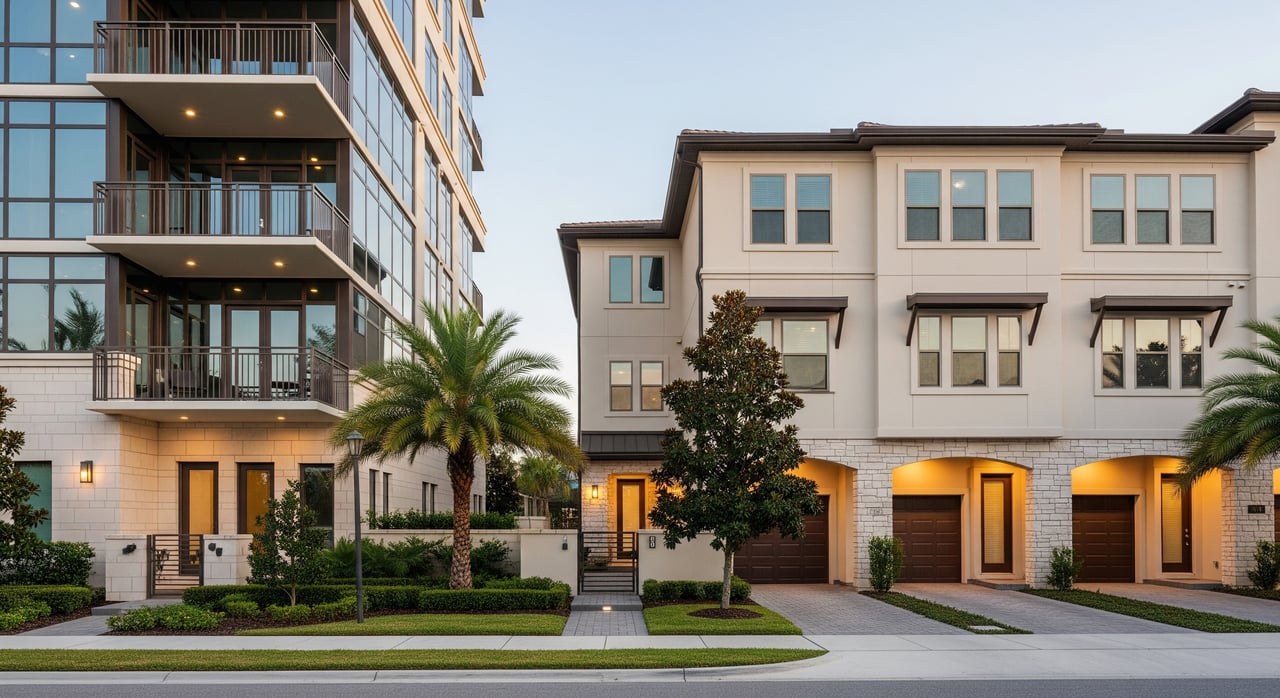
You’ll find a mix of older mid‑rise conversions, 1990s and 2000s towers, and new luxury high‑rises from the 2010s and 2020s. Most towers feature elevator banks, structured parking, and layered amenity packages. Finishes, rules, and services can vary widely by developer and HOA, so it pays to compare building by building.
Getting around day to day
Walkability and Riverwalk routines
If you enjoy errands and evening strolls on foot, downtown and the Channel District deliver a walkable core. Many residents start or end the day on the Tampa Riverwalk, connecting parks and cultural sites. For city updates and programs along the waterfront, check the City of Tampa.
Walkability can change block by block. Before you commit to an address, look up its address‑specific walkability rating on Walk Score and walk the routes you’ll use for groceries, coffee, and fitness. This helps you see the real daily rhythm from the lobby to the street.
Streetcar, buses, and bikes
Public transit supports short hops around the core. The TECO Line Streetcar links downtown and Ybor City, and Hillsborough Area Regional Transit (HART) buses serve major corridors. Review current routes and frequencies on HART and confirm the closest stops to your building.
Bike lanes and micromobility options, such as scooters and bike share, have expanded in recent years. Availability and rules vary by street and district. You can also follow broader downtown initiatives and mobility updates through the Tampa Downtown Partnership.
Driving, airport access, and parking
Living downtown usually shortens commutes to central employers. Trips to suburban job centers or beaches still rely on I‑275, I‑4, or surface streets, so plan for peak‑hour patterns. Tampa International Airport is a short drive from the core; ride‑share is common since transit to the airport is limited.
Parking realities matter. Most towers include assigned resident spaces in a garage, but guest parking can be limited or fee‑based. Street parking around towers is often metered or time‑restricted. If you host often, ask the HOA about visitor options before you buy.
Inside the towers
Amenities you will actually use
You can expect secured lobbies, elevators, and some mix of the following: concierge or front desk, fitness centers, resort or lap pools, rooftop lounges, club rooms, and package rooms or lockers. Higher‑end towers may include spa or treatment rooms, movie screening spaces, valet, and pet facilities. Waterfront buildings sometimes offer marina access or private docks. Not all do, so confirm any waterfront rights.
Amenity depth often drives HOA fees. If you rarely use a staffed pool deck or full‑service concierge, you may prefer a lower‑service building with more modest monthly costs. Prioritize the features you’ll truly enjoy three or more times per week.
Deliveries and guest access
Frequent deliveries are a reality in urban towers. Most buildings now manage packages with designated rooms, lockers, or third‑party services. Large items may require scheduled freight‑elevator windows. Guests typically check in with the front desk or use key‑fob access. If you plan to rent your unit, make sure the building’s rules align with your plans. Short‑term rental rules vary widely by HOA and city policy.
Noise and privacy tradeoffs
Downtown energy is part of the appeal. It can also mean event nights near Amalie Arena feel busy, and daytime construction noise can pop up as the skyline grows. Window quality, unit placement, and building construction all affect sound. Higher‑end towers often feature better glazing and acoustic separation, but ask about noise during your showing to match your tolerance.
What HOA fees cover and why they vary
HOA fees explained
Condo association fees usually fund building insurance on the structure, common‑area maintenance, elevators, landscaping, security, and shared amenities like pools and gyms. Some associations include certain utilities. The scope differs by building, so ask for a breakdown of exactly what your fee covers.
Fees vary widely based on service level and amenities. A modest mid‑rise will usually cost less per month than a waterfront high‑rise with staff and valet. Fees can rise over time as operating costs change, so review recent years of budgets to see the trend.
Reserves and special assessments
Associations fund big capital projects through reserves. If reserves are underfunded, owners may face special assessments to pay for major repairs. Since 2021, structural safety has received greater scrutiny across Florida. Before you buy, request the most recent reserve study and 12 to 24 months of HOA meeting minutes. For state guidance and regulatory context, explore the Florida Department of Business and Professional Regulation’s resources for condominiums at the Florida DBPR.
Insurance, flood, and hurricane planning
Your building’s master policy typically covers the exterior and common elements. As an owner, you’ll carry an HO‑6 policy for your interior finishes, personal property, and liability. You should also understand the master policy deductible and any assessment coverage.
Many downtown towers sit near the river or bay and may be close to mapped flood zones. Lenders can require flood insurance even when not federally mandated. You can look up an address on the FEMA Flood Map Service Center and discuss coverage with your insurer. For broader guidance on insurance in Florida, visit the Florida Office of Insurance Regulation and federal flood resources at FEMA.
For hurricanes, newer towers reflect modern Florida codes, while older buildings may have retrofits. Ask for recent engineering or structural reports, emergency power plans, and the HOA’s storm procedures, including elevator and shutter protocols.
Lifestyle around your building
Dining, culture, and events
You’ll be close to restaurants, coffee shops, bars, and food halls throughout the downtown and Channelside corridors. Cultural venues like the Straz Center, Tampa Theatre, the Florida Aquarium, and Amalie Arena anchor a vibrant calendar. Seasonal festivals and concerts often pop up along the Riverwalk and in Curtis Hixon Park.
For a sense of what is opening or changing downtown, and to follow neighborhood initiatives, browse the Tampa Downtown Partnership. Specialty shopping and additional dining variety are an easy drive to areas like Hyde Park Village and Westshore.
Parks, fitness, and the waterfront
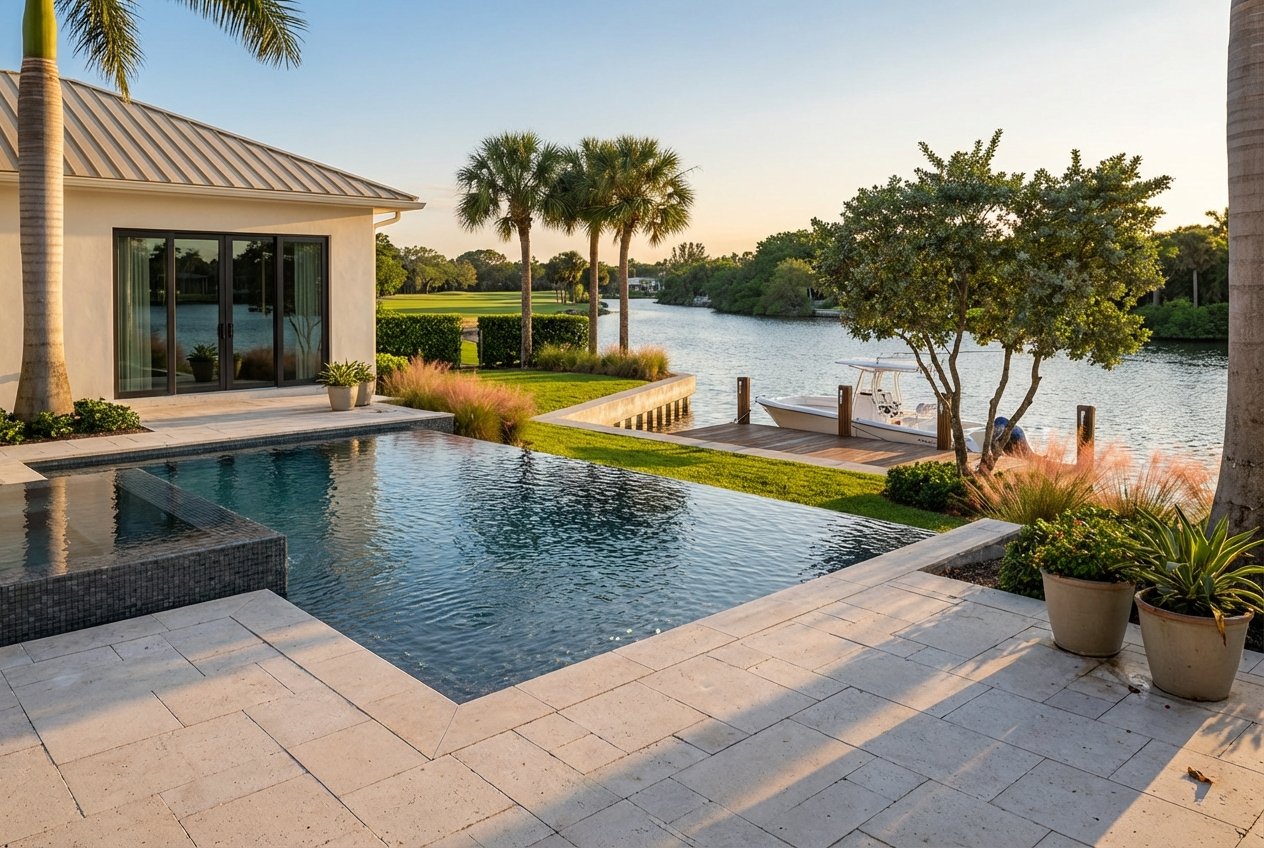
The Riverwalk doubles as a daily fitness path for runs, dog walks, and sunset strolls. Many towers include gyms or yoga spaces, which can replace a separate membership. If boating is part of your lifestyle, research marina options on Harbour Island and confirm whether any building you like offers dock access or storage and what restrictions apply.
What you gain and give up
Compared to suburban living, you trade a yard and larger private storage for walkability, easy access to events, and low exterior maintenance. Your car may stay parked more often, but you still keep it for regional trips. The best fit is usually clear once you test your own daily routine from the building’s front door.
Buyer checklist for downtown condos
Documents to review before you offer
- Recent HOA meeting minutes for the last 12 to 24 months
- Current budget and reserve study with any planned capital projects
- Master insurance policy with deductibles and coverage summaries
- Rules and bylaws, including pet, guest, renovation, and rental policies
- Any recent engineering or structural reports and pending litigation
- Parking plan, storage availability, and any waitlists for spaces or lockers
Financing and resale considerations
- If you plan to use FHA or VA financing, confirm any building approval requirements with your lender early.
- Ask your agent to flag any known special assessments or active lawsuits that could affect lending or resale.
- Compare total monthly housing costs, including HOA fees and insurance, to your current setup with lawn, roof, and exterior maintenance.
Move‑in logistics and daily living
- Check move‑in windows, elevator reservations, and fees for moving trucks.
- Review storage options, both in‑unit and building lockers, for bikes and seasonal items.
- Confirm pet rules, deposits, and any designated pet areas or relief spots.
Safety and storm readiness
- Review local crime data through the Tampa Police Department and compare by block and time of day.
- Confirm the building’s storm procedures and backup power for elevators and critical systems.
- Verify flood exposure and flood insurance requirements using the FEMA Flood Map Service Center.
Is a tower right for you?
Ask yourself a few practical questions:
- How will your commute change if you walk, use the streetcar, or keep a car in the garage?
- Do you value a staffed lobby, rooftop pool, and fitness center enough to support the fee level that comes with them?
- How sensitive are you to event traffic and downtown construction noise during the day?
- Would a smaller private footprint be offset by the building’s shared amenities and the city at your doorstep?
- Do the HOA’s rules on pets and rentals match your plans for the next five years?
A quick lifestyle audit like this helps you choose a building that fits how you actually live, not just how a listing looks online.
Ready for a guided search?
If downtown living is on your radar, you deserve clear answers and a smooth process. Our team helps you compare buildings, review HOA documents, and coordinate mortgage and insurance conversations early, so you can buy with confidence. We also support relocation timelines and investor needs, including 1031 exchange coordination when appropriate.
When you are ready to tour, the Arrival Team brings on‑the‑ground expertise in Tampa’s urban and waterfront condos. Let’s align your daily routine with the right tower and make your move feel effortless.
FAQs
What is day‑to‑day mobility like from a downtown Tampa condo?
- You can often walk to dining, parks, and entertainment, use the TECO Line Streetcar and HART buses for short trips, and keep a car for regional travel and airport runs.
How much are HOA fees in Tampa’s downtown towers?
- Fees vary widely by building and amenity level; review each association’s budget to see what the fee covers and how it has changed over time.
Do I need flood insurance for a downtown condo?
- Lenders may require it if your building is in or near a mapped flood zone; check your address on FEMA’s map and talk with your insurer and lender.
Can I do short‑term rentals in my building?
- It depends on the HOA’s rules and city policies; always review the bylaws and rental restrictions before you buy.
How does parking work for residents and guests?
- Most towers provide assigned garage spaces for owners; guest parking is often limited, may be fee‑based, and nearby street parking is usually metered or restricted.
What should I review before writing an offer?
- Ask for recent HOA minutes, reserve studies, budgets, insurance information, rules and bylaws, structural reports, and details about any special assessments or litigation.
How noisy is it near event venues like Amalie Arena?
- Expect busier evenings and some noise on event nights; sound levels vary by building construction, window quality, and unit location, so evaluate during a showing at different times.