You fall in love with the view, the pool, the walkable block. Then the monthly dues, flood maps, inspections, and financing rules hit your inbox. In St. Pete, the building you choose can impact your costs and peace of mind more than the floor plan you buy. This guide walks you through what to evaluate in a condominium building, from location tradeoffs and amenities to reserves, insurance, inspections, and financing. You will leave with a clear checklist to compare buildings across St. Petersburg. Let’s dive in.
Start with location and building type
Downtown and waterfront towers
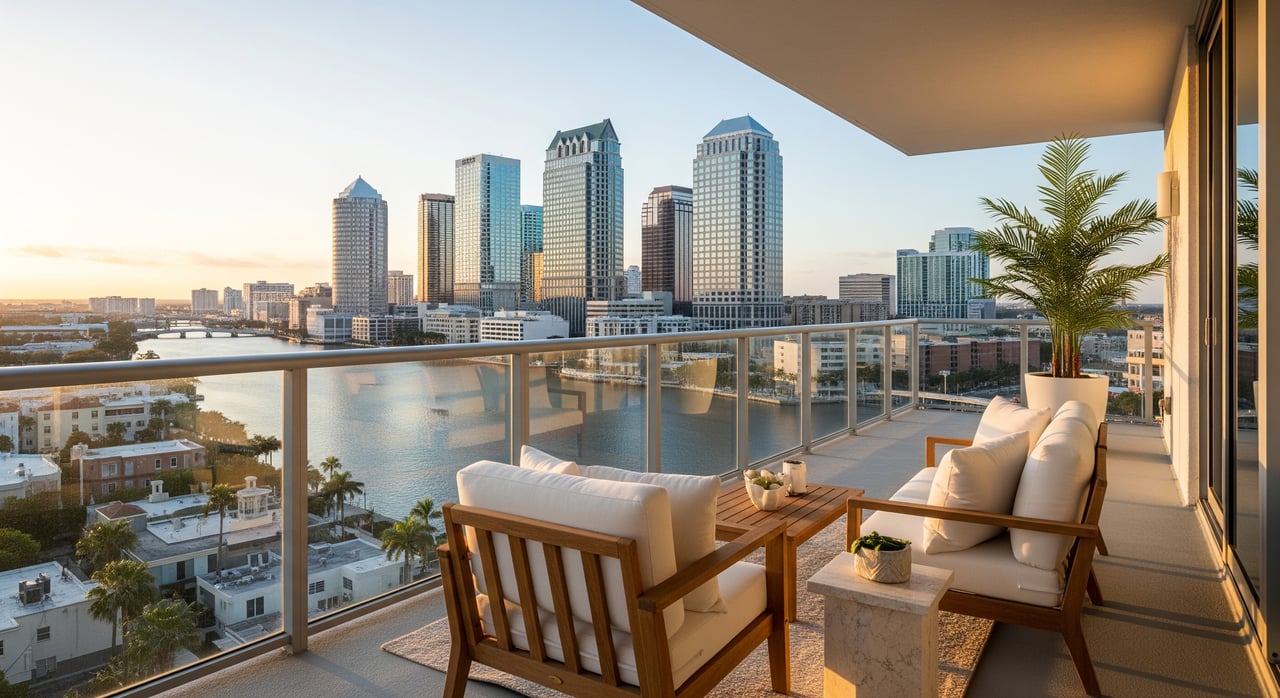
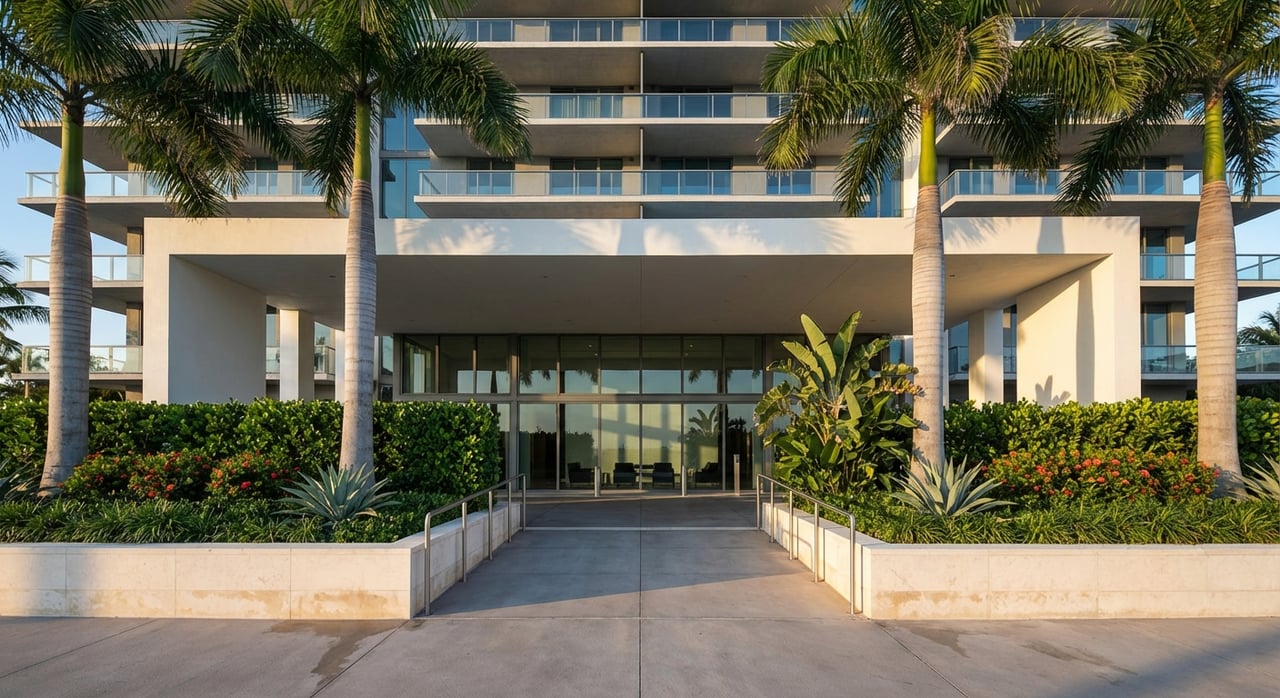
Downtown and waterfront buildings often command higher prices and offer more amenities, sometimes including marina or dock access. They can also face greater storm surge exposure, higher flood premiums, and stricter structural and reserve requirements as buildings age. Review neighborhood price and inventory trends to set realistic expectations for total monthly costs. For a quick snapshot of local patterns, see the St. Petersburg market overview.
Neighborhood mid-rise and garden condos
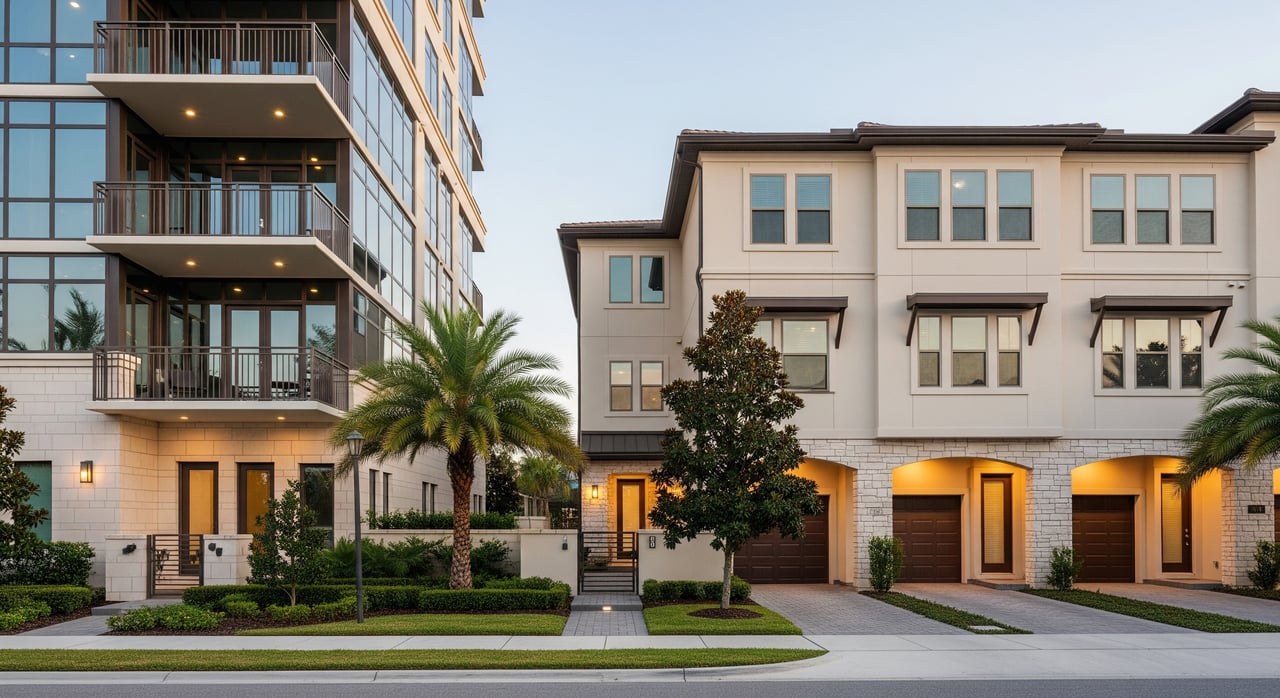
Mid-rise or low-rise buildings in interior neighborhoods can bring lower prices and a quieter setting. Many are older, so window, roof, and building envelope condition matter for future reserves and potential assessments. If the property sits in a historic or special district, verify exterior change rules before you plan any updates.
55+ and master associations
Some condo communities are part of larger master associations that share costs across sub-associations. These often have simpler amenities and can be great value, but governance structure matters. Ask how reserves are pooled, how costs are allocated, and whether the master association has projects that could affect your dues.
Match amenities to your budget
Amenity tiers and operating costs
Amenities typically fall into three tiers:
- Minimal: pool and landscaping.
- Medium: fitness room, secure parking, and guest suites.
- High: concierge, onsite management, marina or docks, multiple elevators.
Richer amenities increase insurance exposure and maintenance complexity. Industry guidance recommends checking whether these amenities are funded properly in the reserve study rather than deferred to future special assessments. Review best-practice notes from the Community Associations Institute.
How to tell if amenities are sustainable
A building can deliver excellent lifestyle value if the association maintains realistic reserves and an active maintenance plan. Confirm that with recent reserve studies or Structural Integrity Reserve Studies (SIRS) and check the state reporting status through the DBPR condo resources.
Governance and management
A well-run association is as important as the building itself.
- Florida’s Condominium Act governs board duties, record access, and budget rules. You have the right to review key records, including minutes, financials, and insurance policies. Read the core provisions in Chapter 718.
- Professional management helps. Florida requires licensure for community association managers and firms. You can verify licensure and understand disclosure standards under Chapter 468.
- Green flags include timely financials, accessible records, regular competitive bids, and documented reserve planning.
Study the finances and reserves
Your future dues and assessment risk live inside three documents: the budget, financial statements, and reserve study/SIRS.
- Florida now requires SIRS for applicable buildings and tighter discipline on structural reserves. Ask for the most recent SIRS and the funding plan, and confirm the association reported completion to the state through the DBPR portal.
- Review the current budget and 2 to 3 prior years of financials. Look for steady reserve contributions and any history of special assessments.
- Repeated reserve waivers or frequent emergency assessments are early warning signs. Statutory financial and record-keeping duties are outlined in Chapter 718.
Insurance, hurricane and flood risk
Your risk profile combines the association’s master policy, your unit policy, and the building’s flood zone.
- Master policy vs HO-6: Associations typically insure the building shell. Unit owners carry an HO-6 for interiors and loss-assessment coverage. Confirm whether the master policy is “all-in” or “bare-walls” and note the deductible amount and structure. Insurance duties appear in Chapter 718.
- Flood zones: Flood designations can affect lender requirements and premiums. Use the FEMA Flood Map Service Center referenced here to look up an address through this FEMA map resource path, then confirm with your insurer.
- Waterfront and low-lying areas can carry higher storm surge risk. Budget for potential higher deductibles and premiums when comparing buildings.
Financing and resale: is it warrantable?
Financing options can change based on the building’s eligibility with major lenders.
- Conventional conforming loans follow project standards. Lenders consult Fannie Mae’s Condo Project Manager and project rules to determine eligibility. Check early using Fannie Mae’s CPM overview and the project standards summary.
- FHA and VA buyers face project-level approvals. HUD’s rules allow for project approval or single-unit approval in some cases. Learn more from HUD’s condo approval update.
- If a project is non-warrantable, you may need a larger down payment or a portfolio lender, and resale can be affected because the buyer pool is smaller.
Florida inspections and safety rules
Florida adopted statewide structural inspection requirements for taller condo buildings.
- Milestone inspections: Buildings three stories or taller must undergo milestone inspections when they reach 30 years of age. Local authorities may require earlier inspections in some coastal areas. If a Phase 2 inspection finds substantial issues, repairs must proceed on a defined timeline. Review the statute at §553.899.
- Structural Integrity Reserve Studies: Applicable associations must complete a SIRS and report to the state. You can reference state guidance and reporting access via the DBPR site.
- Buyer action: For buildings roughly 25 to 30 years old and up, request milestone inspection reports, the SIRS and funding schedule, and permit history for structural projects. Confirm any mandated repairs are permitted and scheduled.
Your on-site tour and document checklist
During tours and the contract period, request these items and ask these questions. Each item notes why it matters.
Official records to request
- Recorded declaration, bylaws, articles, and amendments. Why: clarifies maintenance duties and use rights. See record-access rights in Chapter 718.
- Current budget, prior 2–3 years of financials, bank statements, delinquency report, and any audits or reviews. Why: reveals reserve health and cash needs, and delinquency risks. Reference Chapter 718.
- Reserve study and any SIRS with the funding plan. Why: projects capital needs and required contributions. Use the DBPR resources.
- Insurance policy declarations with all deductibles. Why: large wind or flood deductibles can lead to owner assessments. See Chapter 718 insurance duties.
- Board meeting minutes for the last 12–24 months. Why: shows maintenance patterns and governance transparency. Covered under record rules in Chapter 718.
- Any pending litigation or claims. Why: litigation can affect financing and reserves. See lender impacts in Fannie Mae’s project standards.
- Contractor invoices, permits, and warranties for major work. Why: verifies scope and quality. Milestone context appears in §553.899.
- Management contract and CAM license verification. Why: confirms qualifications and required disclosures under Chapter 468.
- Recent milestone and SIRS reports with any state or city filing receipts. Why: confirms compliance and timelines. See DBPR SIRS guidance.
Questions to ask
- When was the certificate of occupancy issued? Why: determines milestone inspection timing under §553.899.
- What percent of the budget goes to reserves, and how much was actually funded in the last three years? Why: detects underfunding. See Chapter 718 financial rules.
- Any planned or ongoing capital projects or special assessments? How will owners vote? Why: affects near-term costs; verify in recent minutes and ballots.
- How many units are owner occupied vs rented, and are there rental caps or short-term rules? Why: can influence financing and community operations. See Fannie Mae project standards.
- What is the master policy deductible structure and is flood insurance carried for the building? Why: determines owner exposure in a storm. See Chapter 718 insurance requirements.
- Any code enforcement, milestone inspection notices, or DBPR actions? Why: indicates compliance status. See §553.899.
Red flags and green flags
Red flags
- No recent reserve study or SIRS in an older, taller building, or a SIRS showing large unfunded structural needs. Reference DBPR SIRS resources.
- Large, recent special assessments or repeat assessments for the same system without a funded plan. See Chapter 718.
- High delinquency on dues or frequent emergency assessments.
- Significant association litigation that could affect title, insurance, or lending. See Fannie Mae project standards.
- Unlicensed management or unclear conflict disclosures. See Chapter 468 licensure.
Green flags
- Recent professional reserve study or SIRS aligned with steady reserve funding. See DBPR resources.
- Transparent, timely financials, clear minutes, and an accessible records portal. See Chapter 718 duties.
- Licensed, experienced management with documented vendor selection.
- Recently permitted structural work and visible upkeep of façades, elevators, and common areas.
Your step-by-step workflow
- Preliminary checks
- Look up the address in the FEMA Flood Map Service Center using this FEMA access starting point. Save the FIRMette.
- Check the DBPR site for SIRS reporting visibility. Save any findings for your file using the DBPR resources.
- First tour questions
- Ask about recent capital projects, elevator condition, rooftop equipment, and garage drainage.
- Request a budget summary and minutes touching on capital items.
- Contract phase diligence
- Obtain the records listed in the checklist above, confirm SIRS and milestone status, and review the insurance declarations.
- If you plan to finance, ask your lender early about condo project eligibility using Fannie Mae’s CPM framework.
- If red flags appear
- Request written responses from the board or manager.
- Have an engineer or reserve specialist review the SIRS and inspection reports.
- Consult a Florida real estate attorney about contingencies tied to building documents and assessments.
Putting it all together
Choosing the right St. Pete condo building is part lifestyle and part due diligence. Match your preferred setting and amenities to your budget, then verify the association’s health through governance, reserves, inspections, insurance, and financing eligibility. With a clear checklist and the right guidance, you can buy with confidence.
If you want a curated short list of buildings that fit your goals, connect with the Arrival Team for local insight, lender coordination, and a smooth contract-to-close process.
FAQs
What drives a St. Pete condo’s monthly cost the most?
- Beyond your mortgage, the biggest drivers are HOA dues, the association’s insurance deductibles and flood premiums, and required reserve contributions identified in recent budgets and SIRS.
How do Florida milestone inspections affect older towers?
- Buildings three stories or taller face a milestone inspection at 30 years of age, with earlier timing possible locally; any Phase 2 findings can trigger mandatory repairs on a defined schedule under §553.899.
What is a Structural Integrity Reserve Study (SIRS)?
- A SIRS identifies long-term structural and critical components and sets required reserve funding; it is now required for applicable buildings and must be reported through the DBPR.
How do flood zones affect St. Pete condo ownership?
- Flood zones can determine lender requirements and insurance costs; look up the address in the FEMA system through the referenced resource and confirm premiums and deductibles with your insurer.
What does “warrantable” mean for a condo project?
- A warrantable project meets lender standards, which helps conventional, FHA, or VA borrowers secure financing; non-warrantable projects often require larger down payments and can limit your future buyer pool.
What documents should I review before removing contingencies?
- Focus on the recorded condo documents, current and prior budgets and financials, insurance declarations, reserve study and SIRS, milestone reports, board minutes, litigation disclosures, and management licensure details.