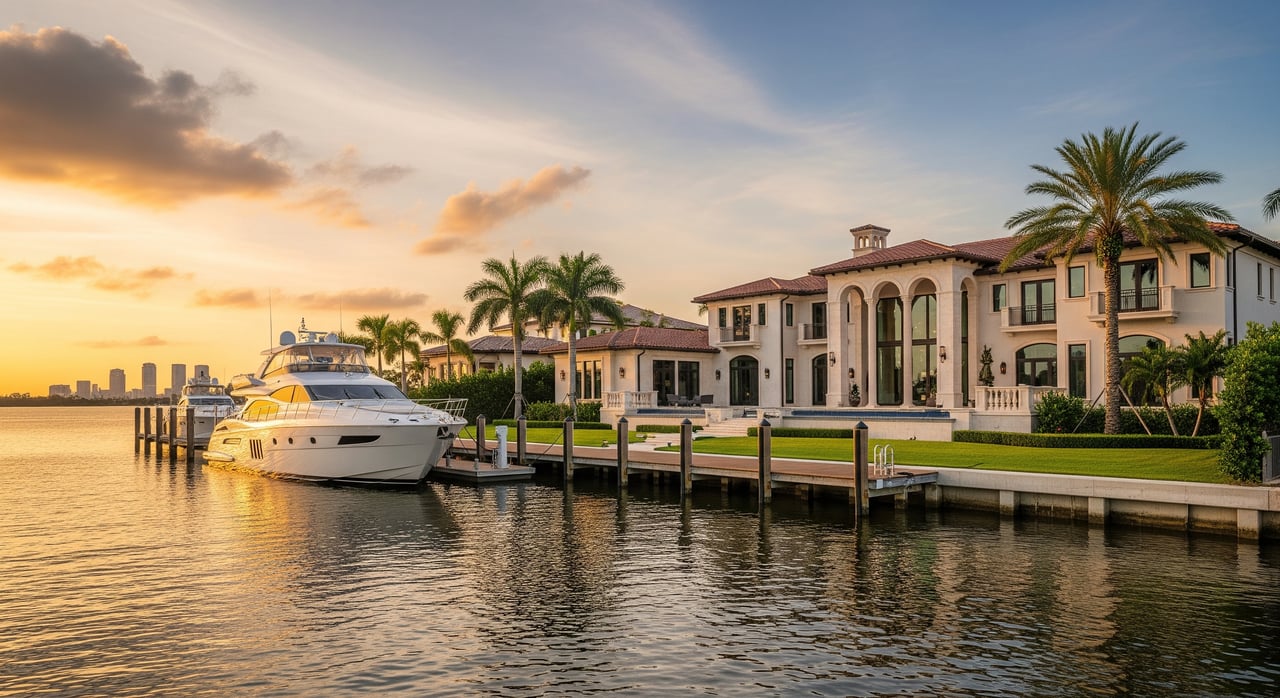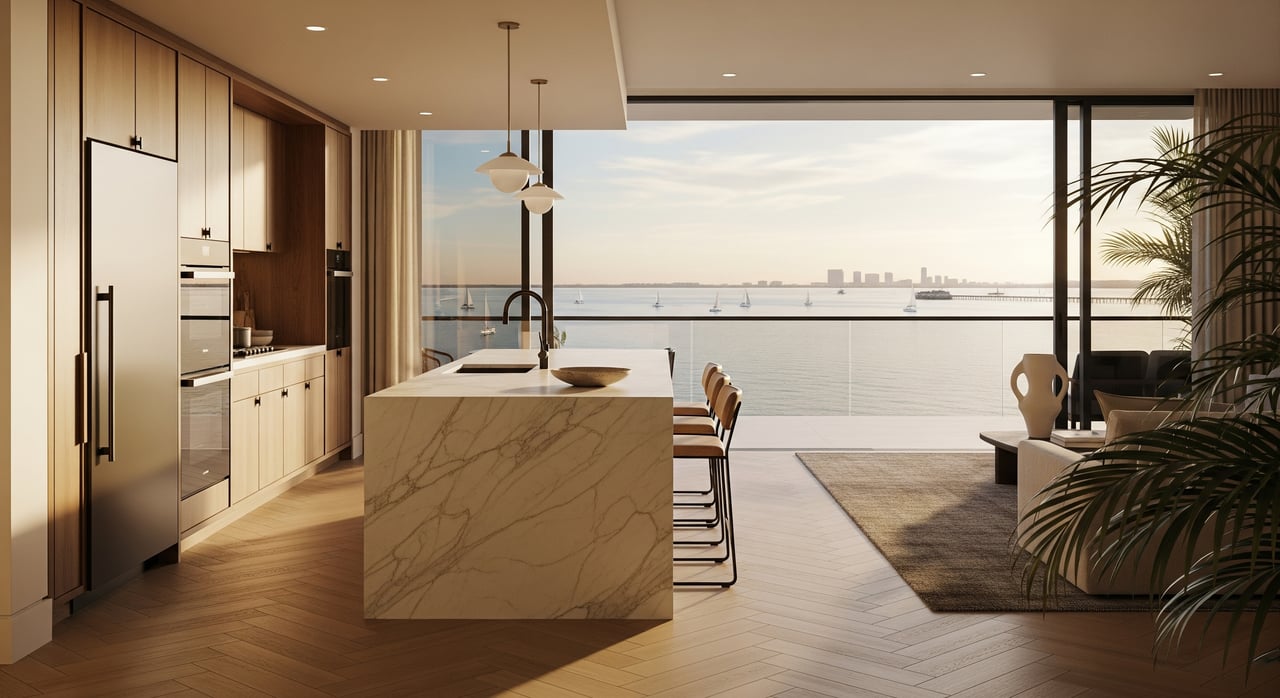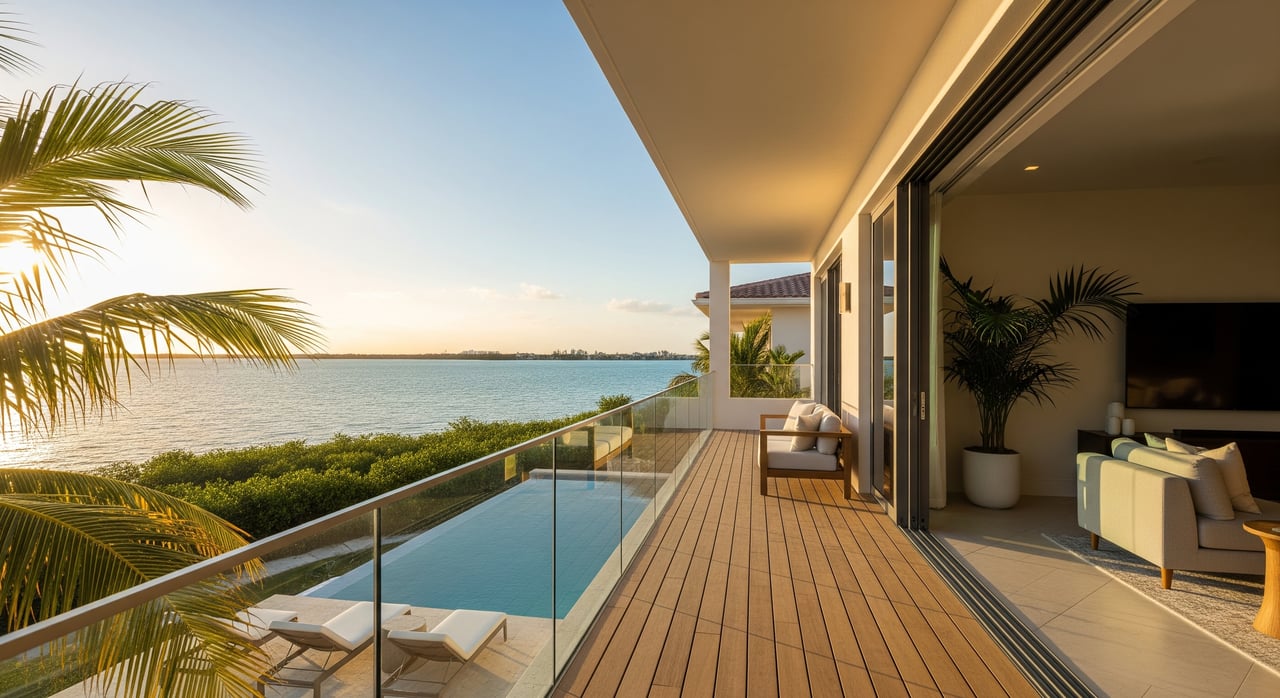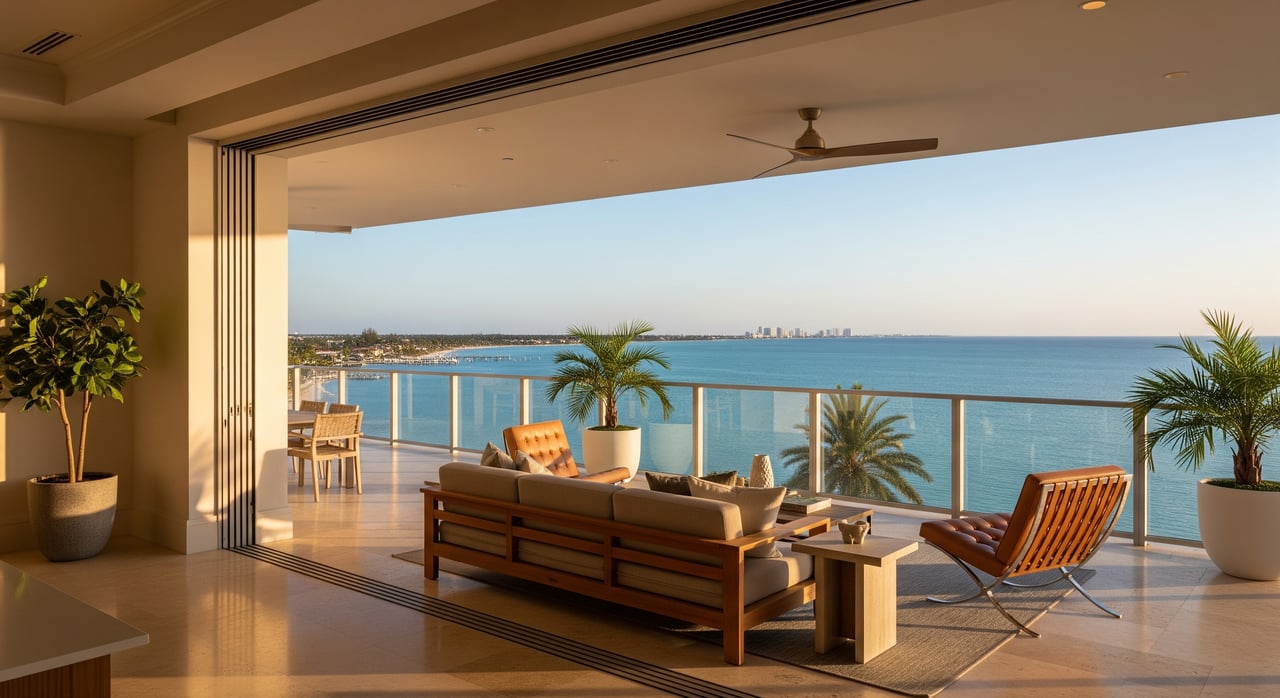
Trying to pin down what your Sarasota condo is really worth? You are not alone. In a market where views, flood zones, and association finances all collide, value can shift quickly. If you are planning a sale, a purchase, or a refinance, you need a clear view of the factors that actually move the number. This guide breaks it down so you can make smart decisions with confidence. Let’s dive in.
Market forces in Sarasota
The broader market sets the stage for your condo’s value. Inventory levels, buyer demand, and interest rates shape how quickly condos sell and how high offers go. When rates rise, buyer budgets can tighten, which often impacts condos more than single-family homes because financing requirements can be stricter.
Seasonality matters here. Sarasota attracts seasonal and second-home buyers, so activity often builds during peak travel months. New luxury towers or conversions can also add supply and change buyer expectations for amenities, parking, and finishes.
If your building draws investors or allows short-term rentals, your buyer pool may react more to cash flow, HOA dues, and rental rules than to cosmetic upgrades. If your building is mainly owner-occupied, turnkey condition and stable dues often lead the conversation.
Unit features that add value
Size, floor, and views
Square footage, bedroom and bath count, and layout drive the first comparison. Higher floors often earn a premium for quieter living and better sightlines. In Sarasota’s coastal areas, gulf, marina, or downtown views can meaningfully increase value. Ground-floor units can appeal to some buyers for easy access, but they do not always capture the same price as higher floors with views.
Condition and upgrades
Well-executed kitchen and bath updates, flooring, modern lighting, and recent HVAC or water heater replacements can set your unit apart. Appraisers and buyers look hard at comparable sales in your building and nearby. Quality upgrades, neutral finishes, and good maintenance records help your condo compare favorably.
Parking and storage
Deeded, covered parking and a secure storage locker are highly valued in Sarasota’s downtown and waterfront buildings. These conveniences can be key differentiators when similar units compete.
Building condition and amenities
Age, systems, and maintenance
Older high-rises may face different maintenance cycles for roofs, plumbing risers, balconies, windows, and elevators. Deferred work or known future projects can dampen value because buyers factor in risk and potential assessments. A recent reserve study and visible progress on major items can restore confidence.
Amenities and resilience
Pools, fitness centers, concierge services, security, boat slips, and beach access all influence value. In a coastal market, impact-rated windows and doors, updated life safety systems, and documented resilience upgrades appeal to buyers and can help with insurance costs and financing.
Inspections and disclosures
For older or waterfront buildings, building-level inspections and structural reports are critical. Buyers respond to clarity. If your association can share recent reserve studies, inspection summaries, and permits for completed work, you remove doubt and reduce friction during negotiations.
HOA finances and rules
The association’s financial health can carry as much weight as your unit’s finishes. Buyers and lenders will check dues, reserves, insurance, assessments, and litigation.
- Dues and coverage: Understand what dues include, such as building insurance, reserves, cable, internet, and utilities. Higher dues that fund strong reserves and full services may be acceptable to many buyers, but unexplained increases can deter interest.
- Reserves and assessments: A healthy reserve lowers the likelihood of special assessments. Recent or pending assessments reduce net value because buyers price in those costs.
- Litigation: Active lawsuits can limit financing options and shrink your buyer pool.
- Insurance: Know the master policy scope and deductibles, plus what unit owners must insure. Clear answers help buyers budget with confidence.
- Rental rules: Short-term rental rules shape income potential and buyer profiles. Know the minimum lease terms, caps, waiting periods, and approval steps.
Financing access also depends on project “warrantability.” If a condo project does not meet eligibility criteria for conventional loans, many buyers must pay cash or use specialty loans, which can reduce demand and price. Review the lending framework in the Fannie Mae project standards and confirm your building’s status early.
If you need guidance on governance, Florida’s condo laws and regulatory oversight are outlined by the Florida Department of Business and Professional Regulation.
Location factors within Sarasota
Micro-location matters a lot in Sarasota. Proximity to Siesta Key, Lido Key, Longboat Key, or downtown waterfront can be a major value driver. Even within a single neighborhood, being on the bay, across the street, or a few blocks inland can create large price differences.
- Walkability and culture: Access to restaurants, shops, the theatre and arts districts, and healthcare hubs like Sarasota Memorial Hospital adds lifestyle value.
- Boating and marinas: Buildings with boat slips or immediate marina access often command premiums.
- Flood zone and elevation: Flood designation affects insurance, lender requirements, and buyer comfort. Check your building’s status using the FEMA Flood Map Service Center and the Sarasota County GIS mapping resources.
- Zoning and development: Planned projects can change views, traffic patterns, or amenity access. Track proposals via the City of Sarasota Planning Department.
Insurance and climate risk
In Florida, insurance availability and cost are practical issues for condo buyers and sellers. Association master policies often cover the structure and common elements, while unit owners handle interior finishes and contents. If your building sits in a FEMA flood zone, flood insurance may be required by lenders.
Premiums and carrier options can change. Review trends and guidance from the Florida Office of Insurance Regulation. For storm and evacuation planning, use the Sarasota County Emergency Management resources.
Buyers also evaluate long-term climate exposure. The NOAA Sea Level Rise Viewer helps visualize coastal risk, which can influence perception and resale value. Buildings with documented storm-hardening updates and clear loss histories often stand out.
How condos are valued
Appraisers rely mainly on the sales comparison approach, using recent condo sales in the same building or nearby. When comps are limited, appraisals can be less predictable, and small differences in view, floor, or parking take on outsized importance.
For investor-targeted buildings, an income approach can matter. If short-term rentals are allowed, buyers may look at net operating income after dues, insurance, and management costs. Clear rules and strong financials can stabilize expectations for rental performance.
Project-level issues can impact loan options and pricing. If your association has high delinquency, pending litigation, low owner-occupancy, or underfunded reserves, financing may be restricted. Non-warrantable status usually means a smaller buyer pool and a lower market price relative to warrantable peers.
Action plan to protect and grow value
Use this checklist to reduce surprises and highlight strengths before you list.
- Gather HOA documents:
- Current budget and latest financial statements
- Most recent reserve study
- Board meeting minutes for the past 12–24 months
- Insurance declarations and any open claim details
- List of current and planned special assessments
- Rental policy and occupancy rules
- Governing documents (CC&Rs, bylaws, rules)
- Confirm financing path:
- Ask your lender or advisor to review project eligibility using the Fannie Mae project standards.
- Note investor ratios, owner-occupancy, delinquency, and litigation status.
- Verify risk and insurance:
- Check flood zone maps via the FEMA Flood Map Service Center.
- Request association and unit insurance histories and clarify master policy coverage.
- Address condition and presentation:
- Complete a pre-listing inspection and handle small repairs that can stall deals.
- Refresh paint, lighting, and hardware for a clean, turnkey feel.
- Organize records for HVAC, appliances, windows, and recent permits.
- Price with context:
- Use recent, relevant comps in your building and nearby peers.
- Account for view, floor level, parking, and storage.
- Align with seasonal demand patterns in Sarasota.
When to sell vs wait
If your association is planning a major assessment, discuss timing and disclosure with your agent. In some cases, listing after work is funded and underway can ease buyer concerns. In others, selling before a fee increase takes effect may be better if the market is strong.
Interest rate direction matters too. If rates are stabilizing and your building is warrantable, buyer confidence can improve. If financing is restricted or insurance costs have just increased, you may need sharper pricing and stronger presentation to maximize results.
Work with a Sarasota condo specialist
Your condo’s value reflects more than its finishes. It depends on building health, rules, financing, and micro-location. A focused plan, grounded in the right documents and market data, helps you defend value and move through inspections and appraisal with fewer surprises.
If you are weighing upgrades, preparing documents, or timing your sale, connect with the Arrival Team for tailored guidance. Our boutique, high-touch approach, mortgage and transaction coordination, and marketing expertise help you price with precision and present with confidence. Get Your Instant Home Valuation, explore comps, and map a clear strategy.
FAQs
How do HOA fees affect resale value in Sarasota condos?
- Buyers look at total monthly cost and what dues cover. Well-funded reserves and comprehensive services can support higher prices, while frequent increases or thin reserves can reduce demand.
What is a warrantable condo and why does it matter in Sarasota?
- Warrantable projects meet eligibility for conventional loans. If a project is non-warrantable due to issues like litigation or low owner-occupancy, fewer buyers can finance, which often lowers market value.
How much do view, floor level, and parking add to a Sarasota condo’s value?
- These are major price drivers. Higher floors with gulf, marina, or city views and deeded, covered parking often command premiums compared with similar units without those features.
How do flood zones and insurance impact Sarasota condo pricing?
- Flood zone status influences insurance requirements and costs, which affect buyer budgets. Check your building using the FEMA Flood Map Service Center and review insurance details early.
Do short-term rental rules help or hurt my Sarasota condo’s value?
- It depends on the buyer pool. Flexibility can boost investor demand and pricing, while stricter rules may appeal to owner-occupiers seeking stability. Clear policies reduce uncertainty for both groups.
What documents should I collect before listing my Sarasota condo?
- Budget and financials, reserve study, recent board minutes, master insurance declarations, assessment details, rental policy, and governing documents. These reduce risk and speed up due diligence.