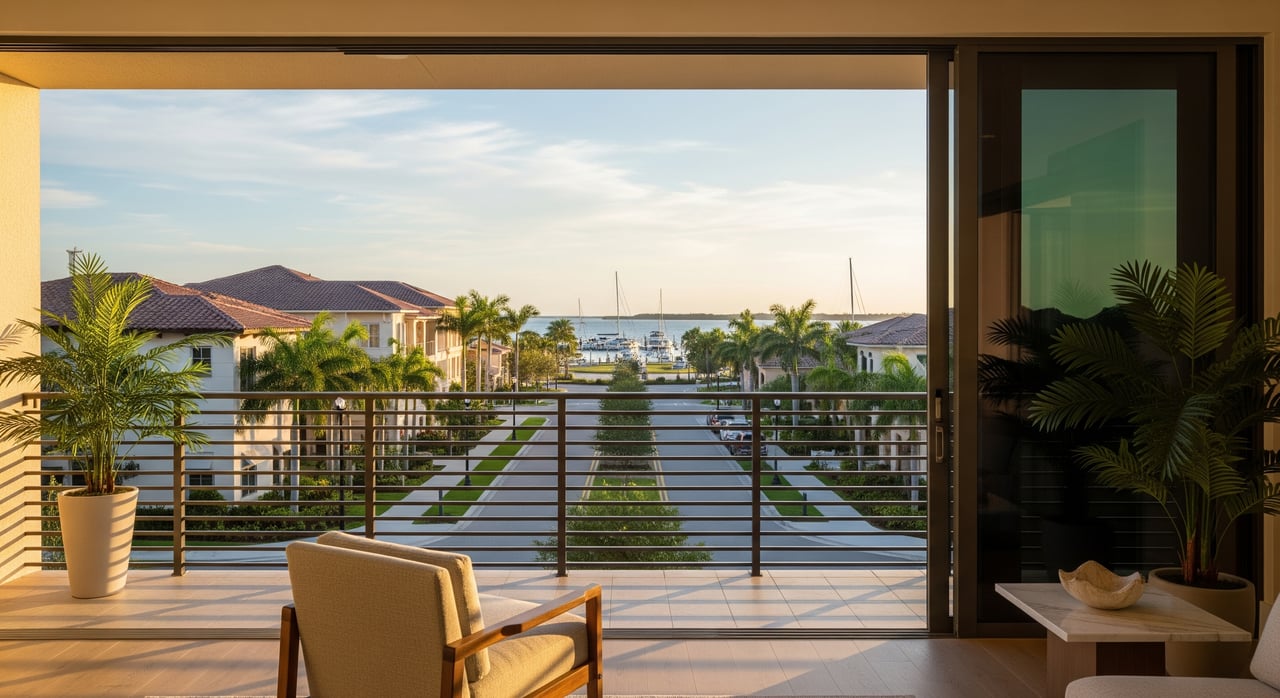
Imagine stepping out your front door and being minutes from the Bayfront, morning coffee, and dinner on Main Street. If you want more life and less driving, walkable condo living in Sarasota can deliver. You still need to plan for HOA costs, storm risks, and seasonal crowds, and that is where good guidance pays off. In this guide, you will learn where to look, what to budget, and how to buy with confidence. Let’s dive in.
What walkable condo living means in Sarasota
Walkable condo living means you can handle daily errands and enjoy your favorite spots on foot, usually within 5 to 20 minutes. In Sarasota, that often includes restaurants and cafés, cultural venues, the Bayfront, parks, and sometimes the beach. You trade some space and pay HOA fees for convenience, low maintenance, and less car time. For many buyers, that lifestyle is worth it.
Best walkable neighborhoods and corridors
Downtown Sarasota
Downtown offers the strongest mix of dining, theaters, and waterfront access. You can walk to Bayfront Park, Marina Jack, and cultural anchors like the Sarasota Opera and Van Wezel. Buildings range from bayfront towers to newer mid-rises. Expect higher price per square foot and active sidewalks. Check HOA rules, insurance details, and whether the building sits in a flood zone.
St. Armands Circle and Lido Key
Around the Circle, you will find boutique shopping and dining, plus Lido Beach close by. Condos include mid-rise buildings and garden-style complexes. It is lively during tourist season, which adds energy but also crowds and traffic. Many buildings lean toward vacation use, so review rental policies before you buy.
Siesta Key Village
Siesta Key Village centers around dining, small shops, and beach access. Inventory includes vacation-oriented condominiums and some owner-occupied options. Seasonal congestion and limited parking are common. Confirm short-term rental restrictions if you plan to host guests.
Rosemary District and Burns Court
These walkable pockets feel more neighborhood-focused with galleries, local restaurants, and smaller-scale retail. You will see historic buildings, small-unit conversions, and boutique new projects. Large grocery options may be farther than a quick stroll. Street parking can be tight at peak times.
Gulf Gate and South Trail corridors
These corridors mix residential and commercial uses with groceries and services. Pockets are walkable where shops cluster, though the overall feel is more suburban. Garden-style complexes and some mixed-use buildings are common. Verify sidewalk coverage and crosswalks near any building you are considering.
University Parkway and North Sarasota nodes
These areas are more car-oriented overall. You will find limited walkable pockets near shopping centers. If walkability is your priority, focus your search downtown and along the barrier island districts first.
Costs to plan for
Prices and seasonality
Sarasota’s condo market responds to lifestyle demand and a sizable seasonal population. Proximity to downtown, the bay, and beaches often commands a premium. Seasonality can influence pricing, days on market, and rental demand. Compare recent sales within the same walkable area rather than citywide averages.
HOA fees and what they cover
HOA fees often include exterior maintenance, landscaping, elevators, building insurance on the master policy, reserves, security, and some utilities. Waterfront and high-rise buildings may have higher fees due to complex systems and seawalls. Always review the current budget, reserve study, meeting minutes, and any pending special assessments. Ask how often fees increase and why.
Insurance, flood, and wind considerations
Coastal buildings may sit in FEMA flood zones, and lenders often require flood insurance. Wind and hurricane exposure also shape premiums. Confirm what the condo master policy covers and what you must insure in your unit, often interior finishes and contents. For clarity on market trends and coverage, consult the Florida Office of Insurance Regulation and check your property’s flood zone at the FEMA Flood Map Service Center.
Short-term rental rules and income potential
Short-term rental rules vary by city and building. Some associations prohibit short stays, while others allow them with limits or registration. Seasonality impacts occupancy and rates, especially near the beach and downtown. Verify HOA covenants, local ordinances, and any historical occupancy data before you rely on rental income.
Buyer due diligence checklist
Before you write an offer, gather these details:
Location and access
- Run an address-level Walk Score and map actual walking routes on Google Maps.
- Note pedestrian features like sidewalks, crosswalks, lighting, and bike storage.
HOA and building health
- Review the budget, reserves, audited financials, meeting minutes, CC&Rs, and bylaws.
- Ask about special assessments and upcoming capital projects.
Insurance and risk
- Obtain the master policy and verify windstorm and flood coverage.
- Confirm your unit’s required coverage and any loss-assessment exposure.
- Check flood zone status and elevation relative to base flood elevation.
Structure and safety
- Request recent engineering or structural reports and any recertification status.
- Confirm compliance with current building and wind standards where applicable. For statewide guidance, consult Florida DBPR condo guidance.
Practical living details
- Verify parking availability and guest policies.
- Confirm elevator access, accessibility features, and package delivery procedures.
- Review rental and pet rules in writing.
Transportation and getting around without a car
Sarasota County Area Transit connects many neighborhoods to downtown, shopping, and medical hubs. Frequency varies by route and season, so check current Sarasota County Area Transit routes when planning your day-to-day. Sidewalk coverage, bike lanes, and multi-use paths differ by district. You can track improvements and projects through City of Sarasota planning resources.
Seller tips to highlight walkability
If you are selling in a walkable area, make lifestyle benefits easy to see:
- Prepare HOA documents, reserve studies, and any engineering or maintenance reports.
- Create a one-page map of nearby anchors like grocery stores, parks, cultural venues, and transit stops.
- Summarize rental rules and occupancy restrictions for investors.
- Use recent comps within the same walkable pocket for pricing, not citywide averages.
Is walkability worth it for you
If you value convenience, culture, and less driving, walkable condo living in Sarasota is hard to beat. You will pay HOA fees and should plan for coastal insurance and seasonality. With careful due diligence, you can enjoy the benefits and avoid surprises. The right location and building standards can support long-term value and peace of mind.
Ready to explore Sarasota’s most walkable condos or need a second set of eyes on a building’s documents? Connect with the Arrival Team for curated options, due diligence support, and a seamless path to lifestyle living.
FAQs
What is a “walkable” condo in Sarasota
- A walkable condo sits within about 5 to 20 minutes on foot of daily needs like dining, groceries, parks, cultural venues, and often the Bayfront.
Which Sarasota neighborhoods offer the best walkability
- Downtown Sarasota leads for dining, culture, and the Bayfront, with strong options around St. Armands Circle, Lido Key, Siesta Key Village, Rosemary District, and Burns Court.
How do HOA fees work for Sarasota condos
- Fees often cover exterior maintenance, landscaping, elevators, master-policy insurance, reserves, security, and some utilities, with higher costs common in waterfront high-rises.
How do I check flood risk for a condo in Sarasota
- Look up the specific address on the FEMA Flood Map Service Center and review building elevation and insurance requirements with your lender and insurer.
Are short-term rentals allowed in walkable Sarasota condos
- Rules vary by building and municipality, and some associations prohibit short stays, so verify HOA covenants and local ordinances before you plan to rent.
What changed for building safety after Surfside in Florida
- There is heightened focus on inspections and structural safety; ask for recent engineering reports and consult Florida DBPR condo guidance for statewide updates.
Can I rely on public transit if I live in a walkable Sarasota condo
- Many areas connect via Sarasota County Area Transit, though frequency varies, so review current Sarasota County Area Transit routes for your location and schedule.